
28
Guy Ivesha
Founder & CEO at Maslow’s
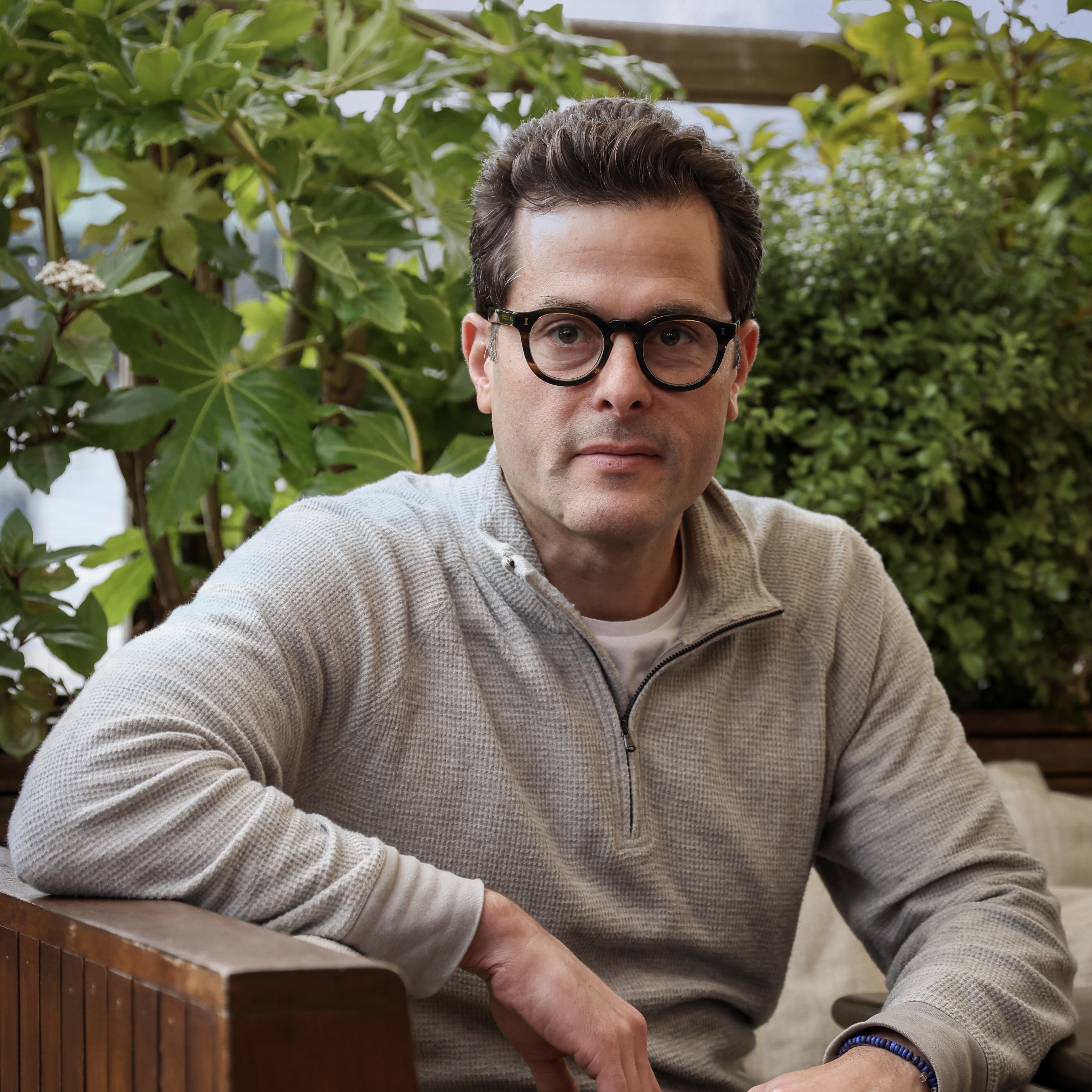
A big part of who I am today comes from my father.
Let’s start at the beginning: who is Guy Ivesha today, and how would you describe the philosophy that has guided your journey through hospitality?
I’ve always been drawn to the power of space and its ability to influence how someone feels. My first experiences in hospitality weren’t just about the hotels – they were about the people. How a guest feels recognised, how a room carries a certain energy.
A big part of who I am today comes from my father. I grew up seeing the world of hospitality through his eyes. What stayed with me most was his treatment of people – he looked at everybody and treated everyone with dignity, irrespective of their role in the business.
We can talk about hospitality as an industry, but ultimately it’s about how you interact with people. I try to carry that forward: treating people in a considerate way and trusting that there is a certain karma in the world that reflects that back.
You grew up with a hotelier father and got an early glimpse into the world of hosting. What was the moment when hospitality stopped being something you observed and became something you wanted to shape yourself?
There wasn’t a single defining moment – it always felt like a natural evolution.
Even before I studied Hospitality at University, I’d absorbed so much just by being around my father and his work. It was observed and learned almost unknowingly. I was always detail-oriented, I enjoyed human interaction, and I understood early on how a well-run space can change how people feel.
My father never pushed me into the industry, but it always felt clear that this is where I was heading. Over time, I also realised that my perspective was slightly different to his. He’s built an incredible, highly scalable business, whereas I’ve always been drawn to the more niche, individual, non-conforming side of hospitality. That urge to do something differently is what led to Maslow’s.
New York had a major impact on how I think about space.
Your career has taken you from London to New York and back again: including the redevelopment of the iconic Plaza Hotel. How did those global chapters influence the way you think about space, experience, and what a “modern host” should be?
My time in New York opened my eyes to a very different approach to hospitality and creativity. I still feel that New York, in many ways, is where you see things first. Where people break the rules and create concepts that haven’t been done before.
New York had a major impact on how I think about space and experience: you can be sophisticated without being sterile, and you can create something genuinely distinctive without losing commercial sense.
When I came back to London, I wanted to bring some of that energy here. At that time, the city was far behind – hotel restaurants, for example, were commoditised rather than destinations in their own right. Even before Maslow’s, some of the projects I did in hotels were a direct result of what I’d seen and learned in New York.
When you returned to London, you saw a gap between traditional offices and co-working culture. What sparked the idea that wellbeing and work shouldn’t just coexist, but actually elevate each other?
I’ve never seen work and wellbeing as separate – they are intrinsically connected. Even before the pandemic, it was obvious that working patterns were changing and that the traditional office model was no longer serving how people actually wanted to work. There was a clear gap, and that was impacting wellbeing.
A wave of co-working spaces started to appear, but coming from a background in hotels and hospitality, I felt those environments could be elevated. They were often functional, but they didn’t always have the warmth, depth of service or sense of place you’d expect from great hospitality.
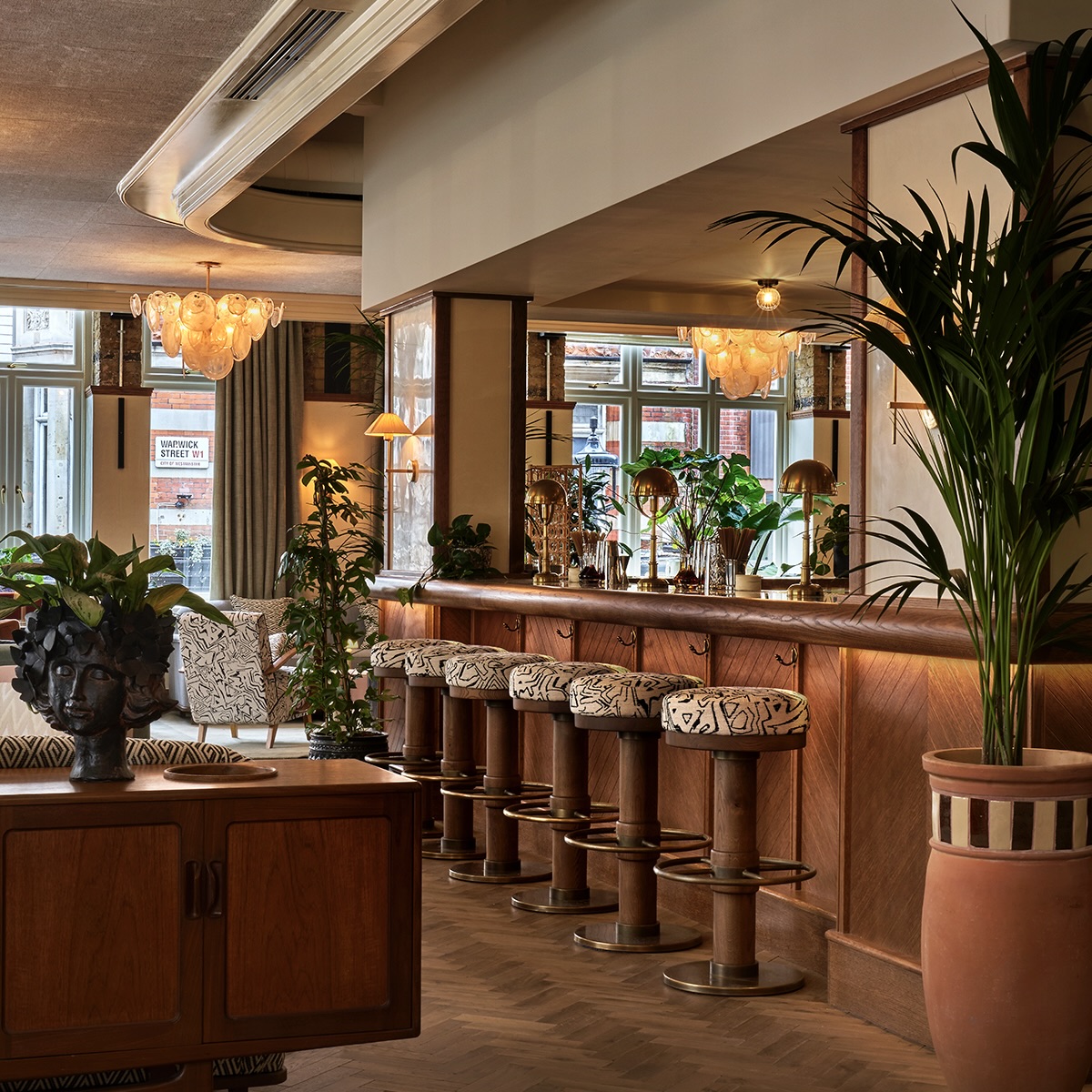
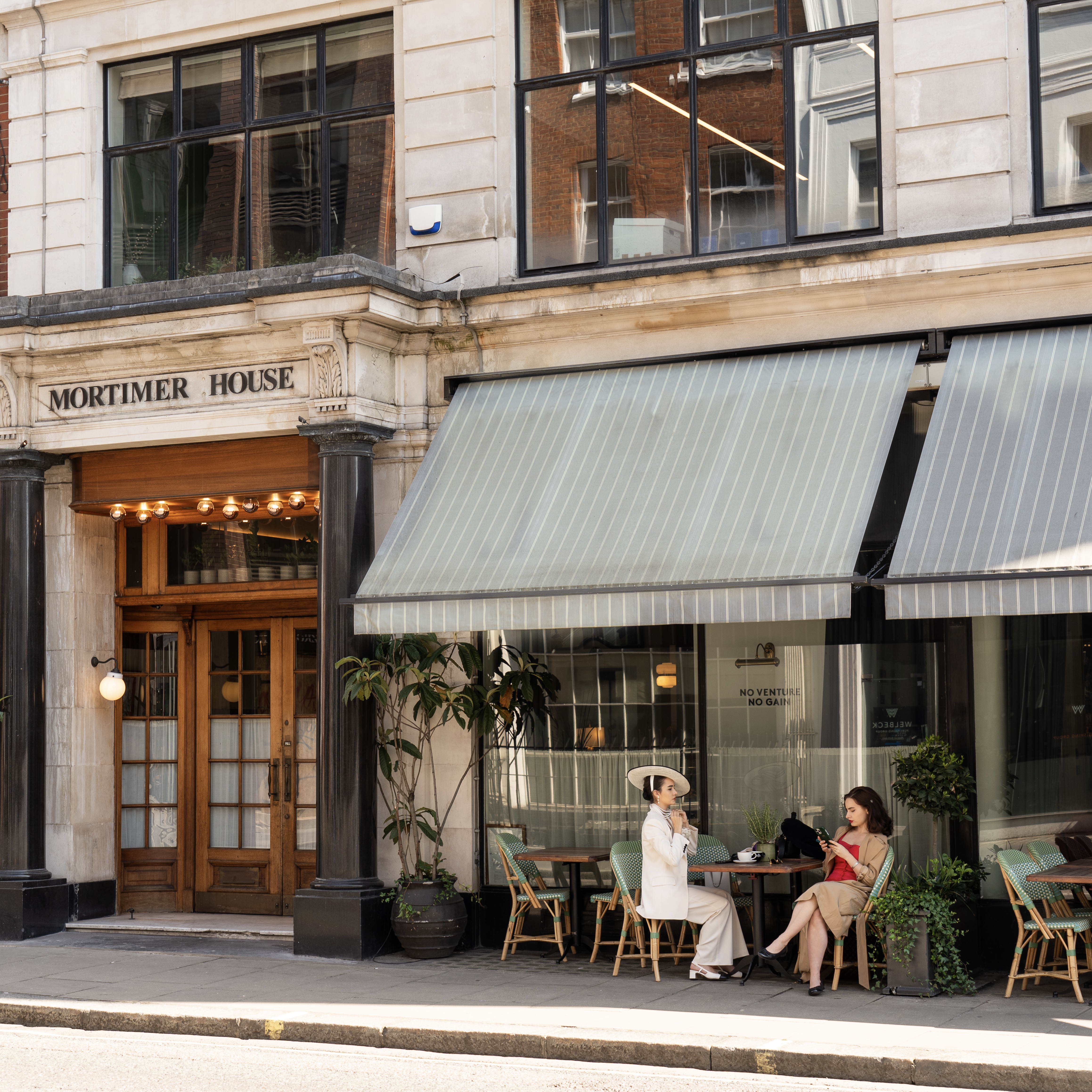
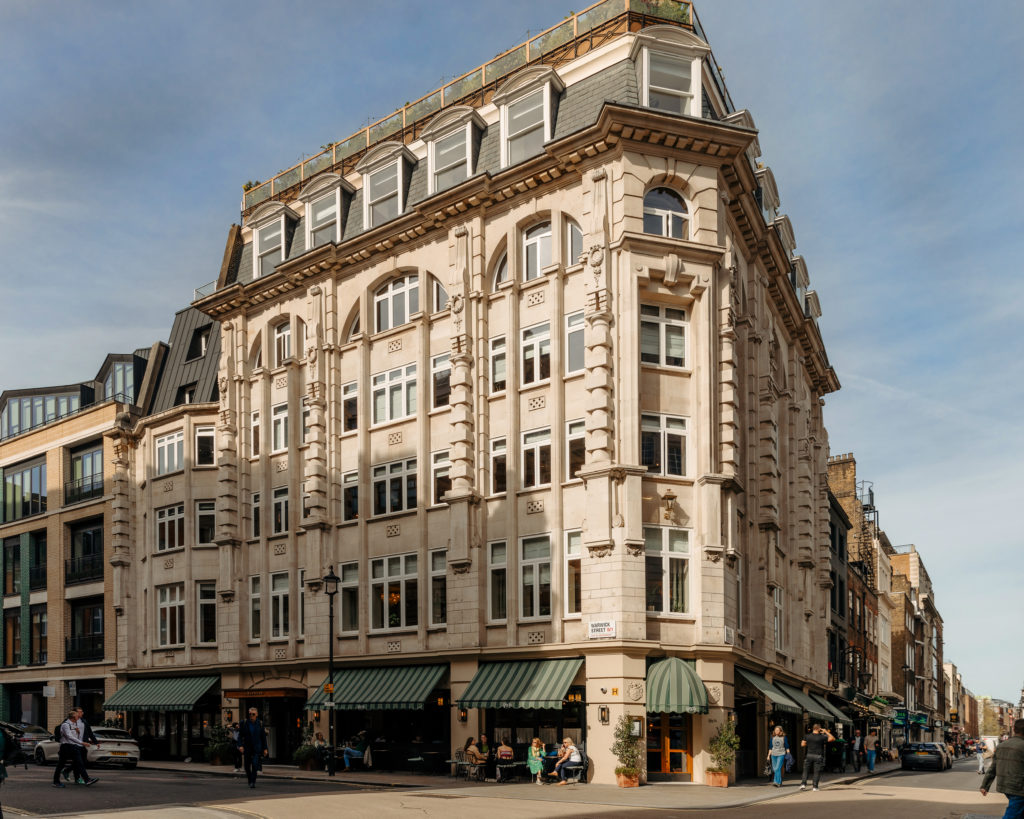
Mortimer House was designed to close that gap, and offer a space where different needs are satisfied in one place, where work and wellbeing feel naturally connected rather than in conflict. 1 Warwick built on that philosophy, with its own rhythm shaped by Soho’s creative spirit. In Spring 2026, Maslow’s Kensington will join the mix, and that feels like a natural extension of the idea: multi-use houses where work, restoration and connection sit comfortably side by side.
The space stops being a room and starts feeling like somewhere you belong.
Maslow’s blends psychology, behavioural science, and biophilic design into a hospitality-led workspace. How does that work and show?
Maslow’s was founded on the belief that people do their best work when they feel balanced and genuinely themselves. The psychology is important, but it’s not about being ‘science-based’ in a cold way. It’s about using the right thinking and the right specialists to create spaces that help people thrive, or “self actualise”.
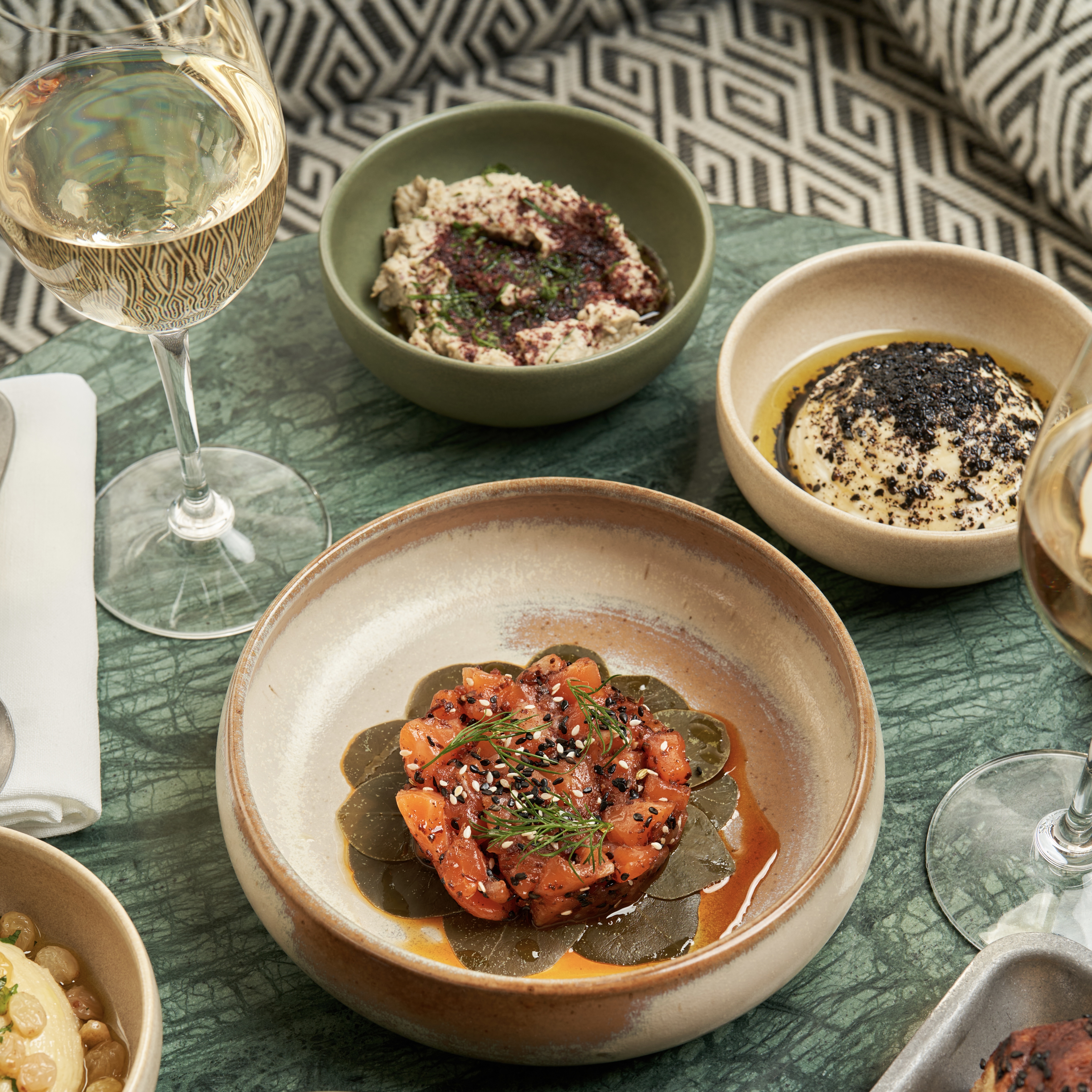
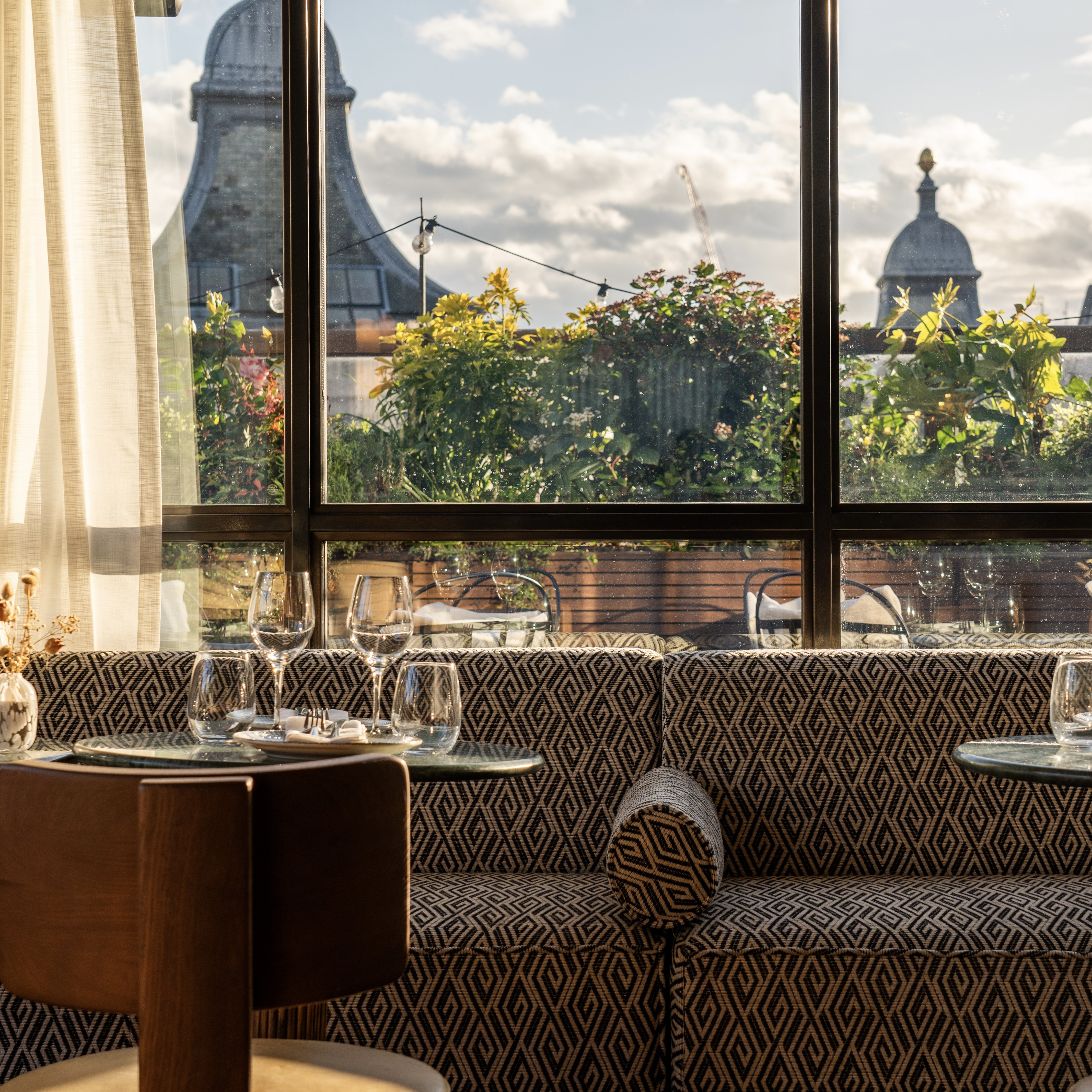
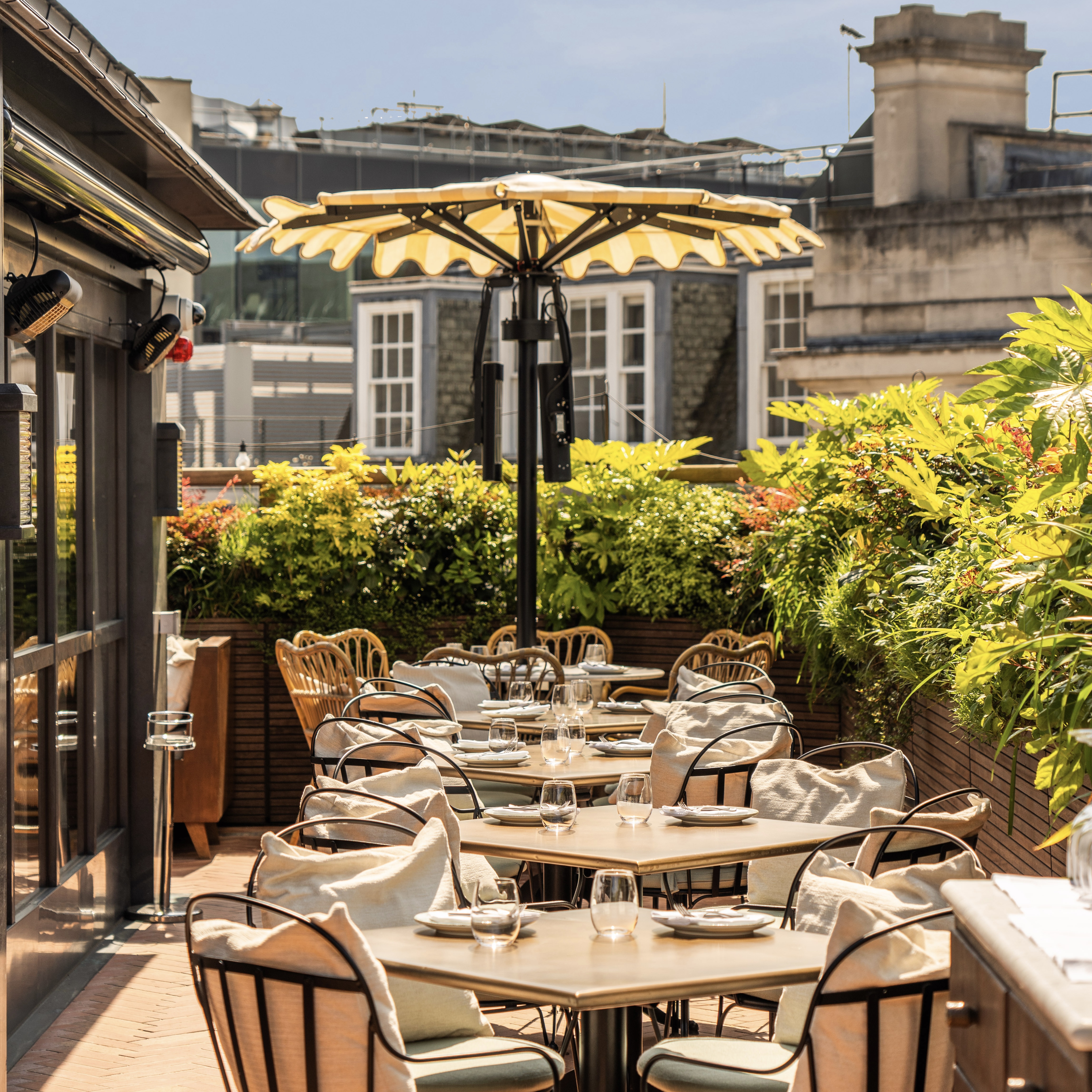
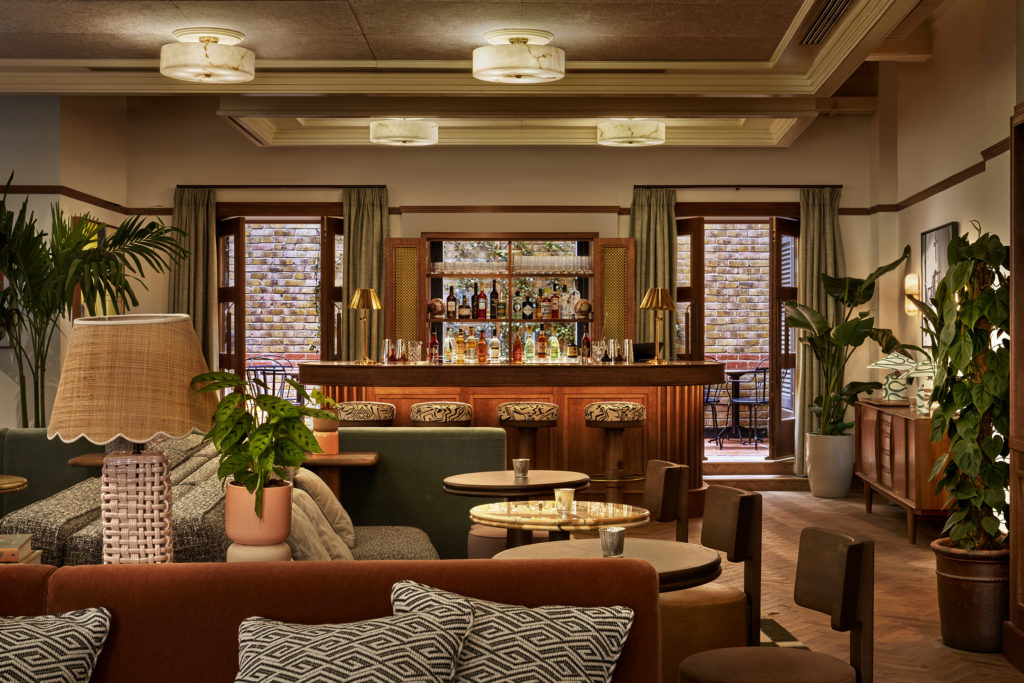
We work with brilliant designers and specialists – from biophilia and soundscaping to menu curation – to create environments that feel intuitive. Light, texture, greenery, acoustics, layout, the way you move through a house – all of these elements are considered so members feel both focused and at ease.
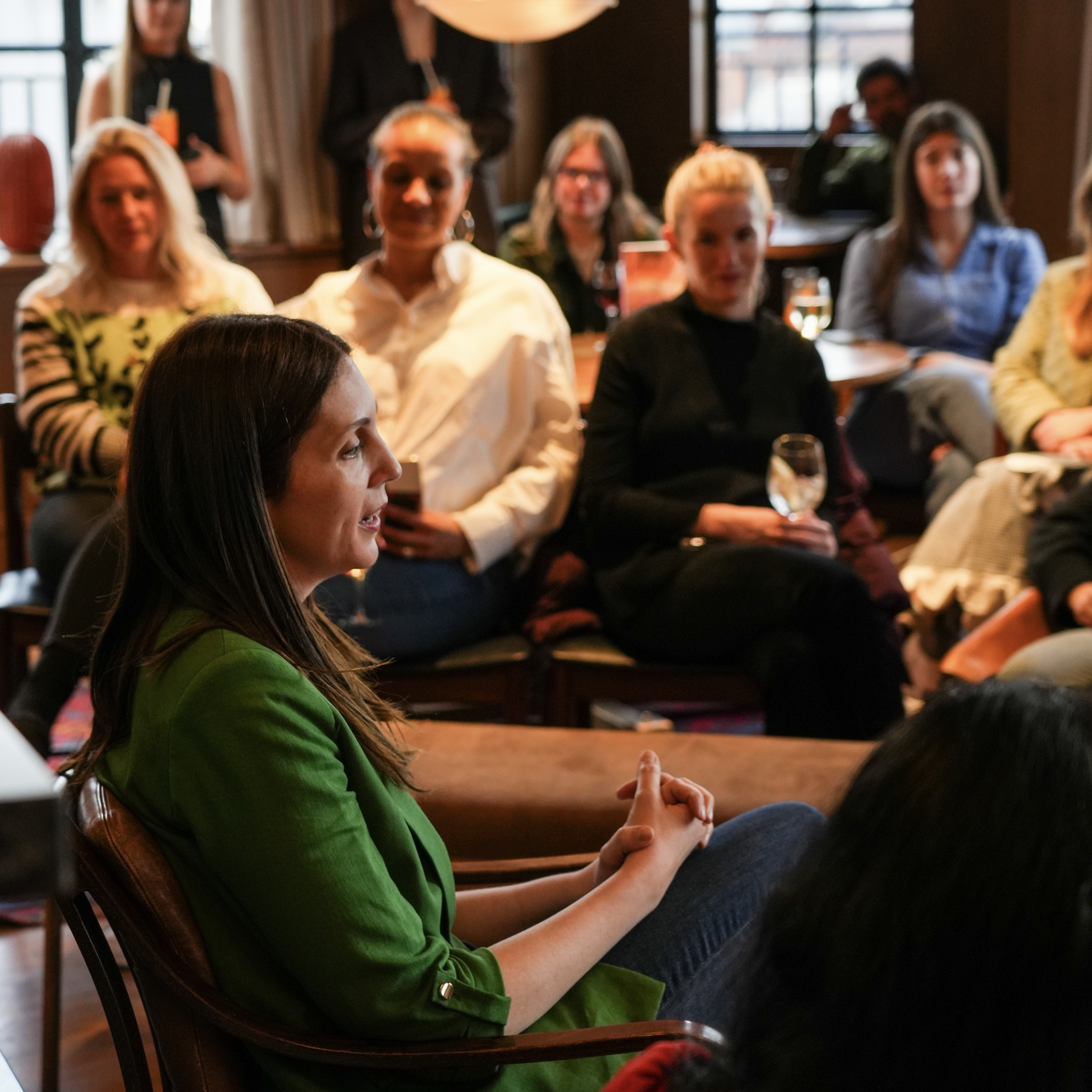
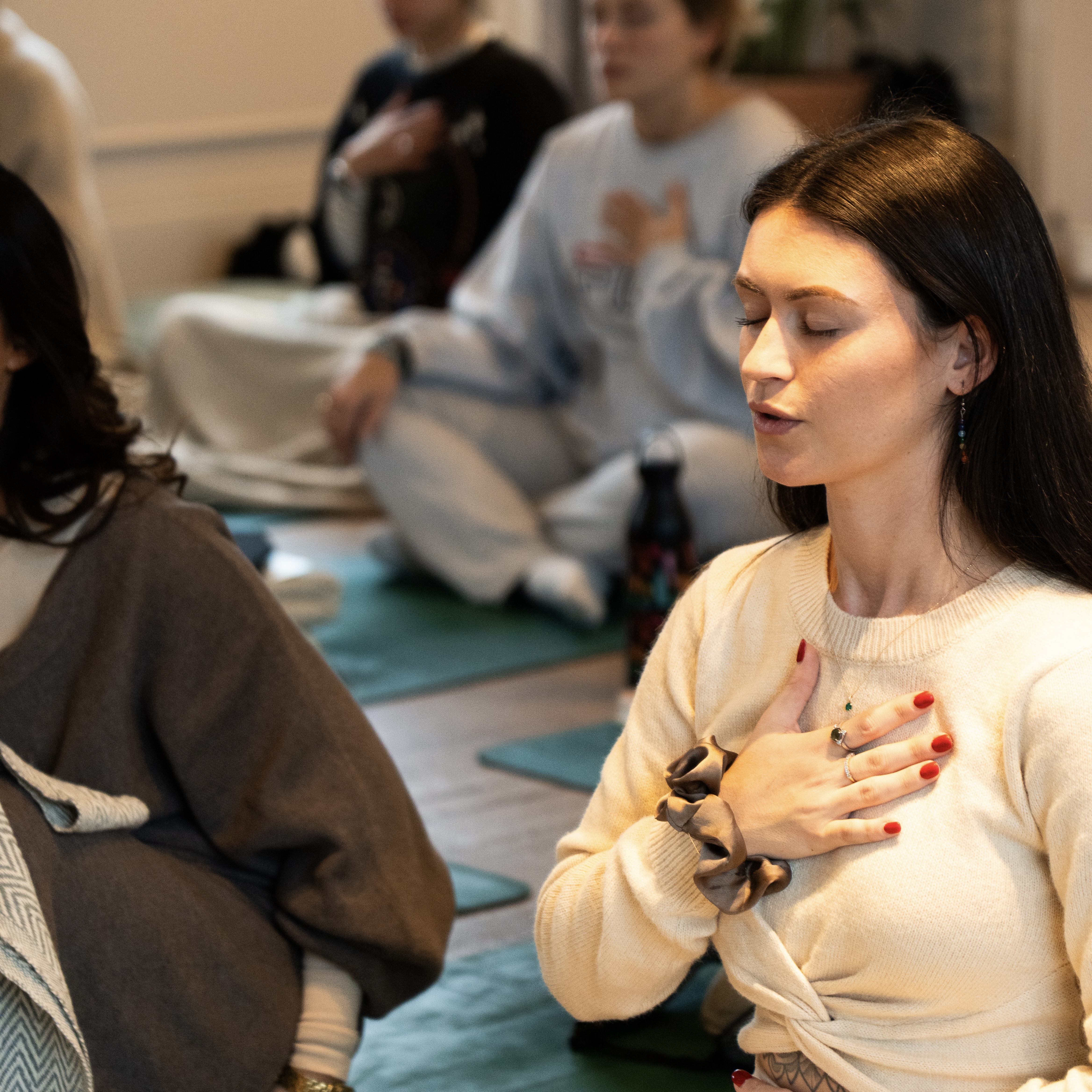
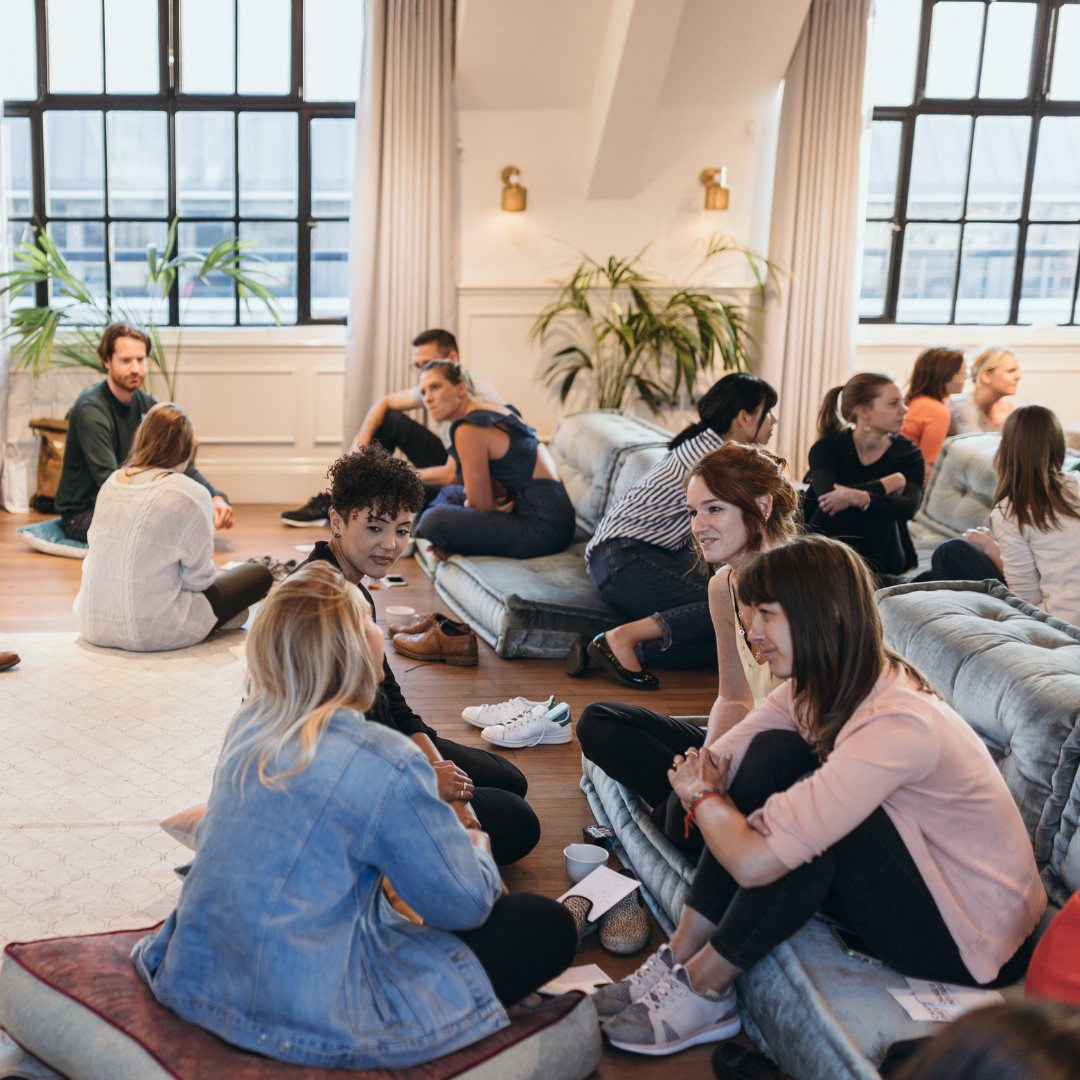
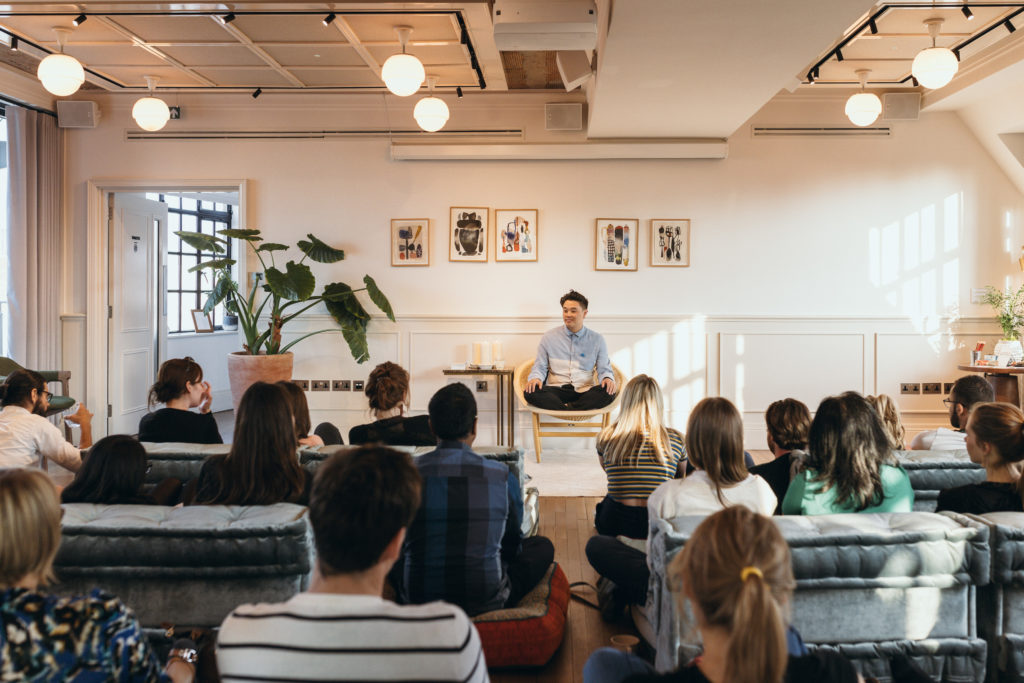
Maslow’s is intended to provide the space and environment for you to feel comfortable and fully yourself, while giving you the tools to succeed personally and professionally. In practical terms, that might look like moving from deep work in a quiet corner to a shared workspace with more energy, pausing for a moment of restoration, then flowing into a meeting, a class, a talk or a dinner – all within the same house. When hospitality and design are doing their job in the background, the ‘science’ shows up as you being able to do your best work, with more ease.
When you’re creating a new space, what comes first: the aesthetic, the feeling, or the function?
The first question I ask is: What does the space want to be?
A lot of people arrive with a fixed concept and try to force it into a building that may not be right for it. I prefer to work with the building rather than against it.
So in that sense, function always comes first.
Design and aesthetics follows that. The real challenge is finding the balance where functionality and design are fully harmonised. Our houses are meant to be lived in and used; if the design starts to matter more than how people actually live and work in the space, it stops working in the real world.
The feeling is then layered on top. Through materiality, lighting, scent, sound and, crucially, the people who host you when you arrive. That’s the point at which an emotional connection is formed – the space stops being a room and starts feeling like somewhere you belong.
What role do membership clubs and coworking spaces play in today’s hospitality landscape, and where do you see them heading in the future?
The hospitality landscape has shifted massively in recent years, especially since the pandemic as businesses have had to be flexible in adapting to a huge amount of change. Our model allowed us to adapt very well and take advantage of the changing needs, with the high demand to merge the home and the office. We focussed on providing a unique environment that combines all the elements you would like in your own home with facilities that most people wouldn’t be able to incorporate into their house.
Looking ahead, this sector will only become more influential. We’ll see deeper integration between wellness, work and lifestyle. More hyper-local programming that builds genuine communities, and spaces designed to support how people actually live – fluidly, creatively and on their own terms.
For Maslow’s, Kensington is a natural next chapter – a place where our mission to create multi-use spaces that balance work, wellbeing and connection can flourish. I can’t wait to introduce Maslow’s Kensington to our existing members and to welcome new members into the neighbourhood. Watch this space.
Can we expect to see more of Maslow’s outside the UK any time soon?
That’s a simple answer: yes.
There has always been a plan and a desire to go beyond the UK. I believe there’s demand for what we do in major markets around the world, but we’re very selective about neighbourhoods, architecture and partners.
For us, it’s about getting it right rather than expanding as quickly as possible. We’re exploring a number of new markets right now, and when the building, location and partnership feel right, Maslow’s will travel.