
29
Verena Kern Nyberg
Commercial Director at Sinn & Gewinn Hotels
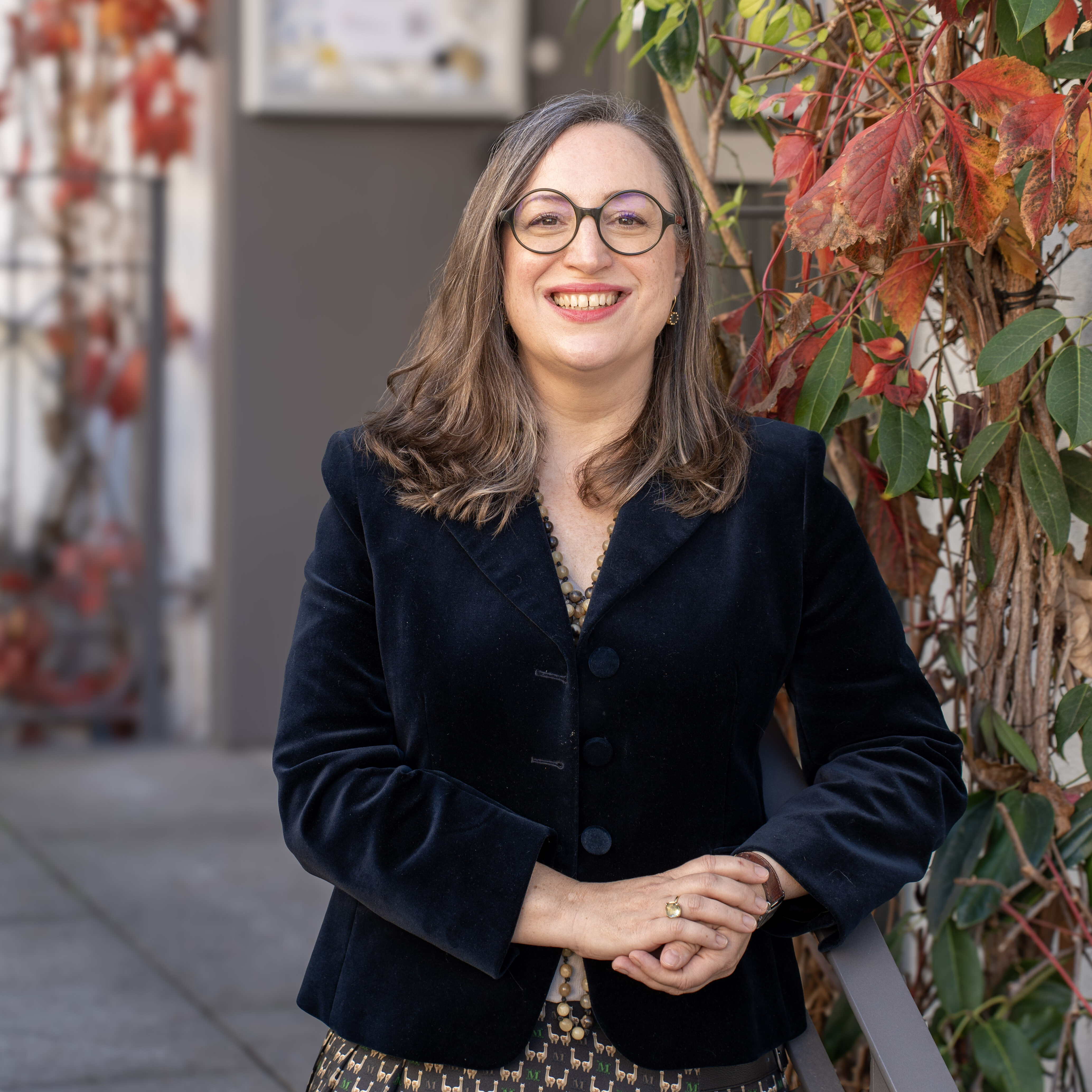


I found the perfect place for me and my skillset to fill what I'm good at with purpose.
First things first: who are you, and how would you describe the philosophy that guides your journey through an industry that is increasingly searching for its soul?
I’m someone with two sides that don’t often come in the same package. There’s a nurturing side. I like being around people, making sure they’re comfortable, creating a sense of wellbeing. I love beautiful spaces and good food. That’s one half.
The other half is analytical. Not just gut feeling. I’ve trained in transactional analysis and systemic coaching, so even my people skills have structure behind them. And I love systems, processes, budgets. My colleagues know exactly what I mean when I say I’m off to do a bit of “Excel-Yoga.” A deep dive into numbers and statistics. It calms me down. Then I close the laptop and need humans around me again.
Hospitality is the one industry where both halves work at the same time. Earning my living by making sure guests feel welcome, well fed, and at home in a beautiful place. That just fits. It’s the right shape for who I am.
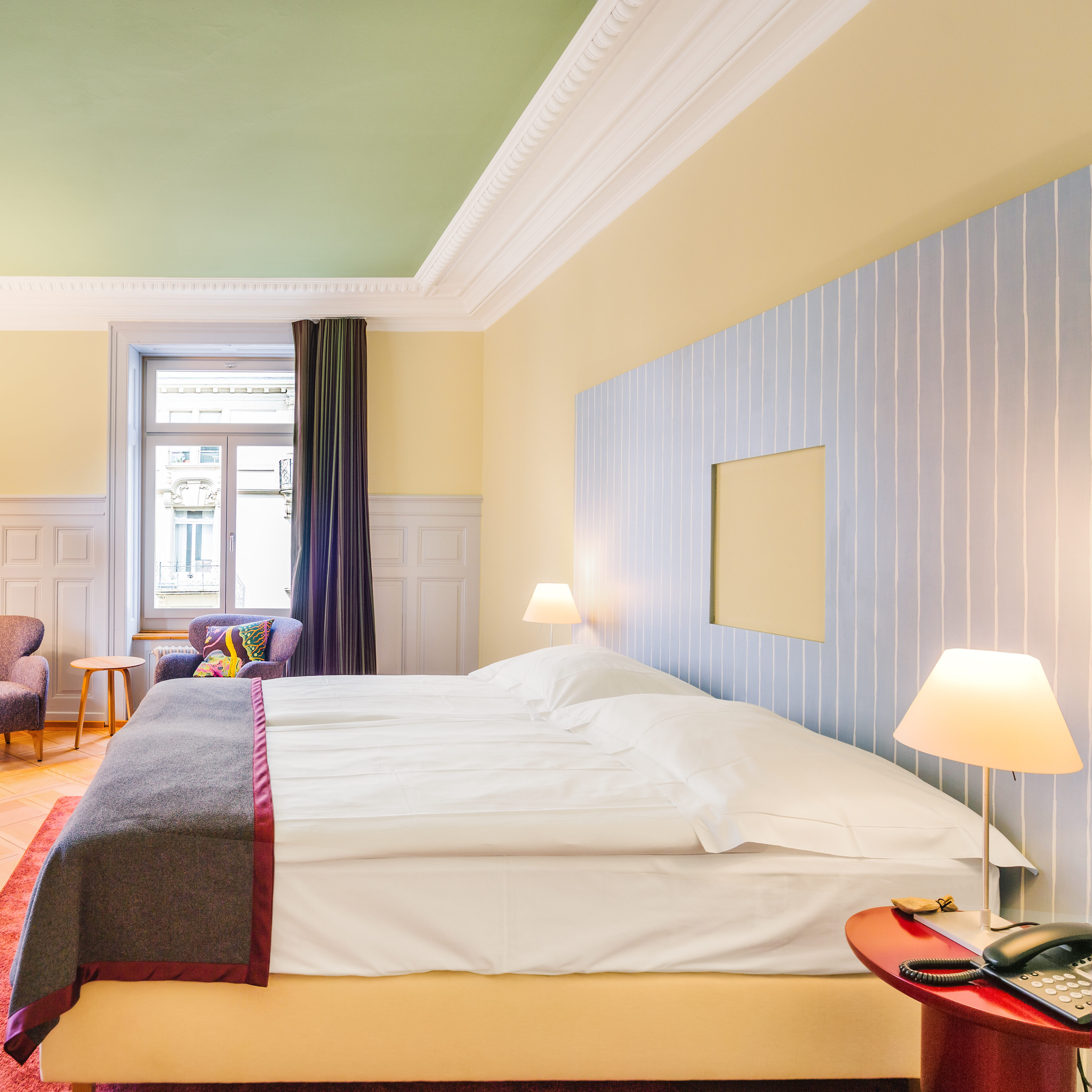
What adds another layer is where I do it. I’m the Commercial Director at Sinn & Gewinn Hotels. The name translates to meaning and profit. Purpose and profit. For us that’s not a slogan. It’s how we operate.
You started in luxury hospitality because it’s the “peak” of the industry. At what point did the five-star standards start to feel hollow, and what was the specific moment you realized you needed to trade perfection for meaning?
Luxury hospitality is extraordinary training. It teaches precision, anticipation, discipline, elegance. I’m grateful for that foundation.
But at some point I noticed something uncomfortable. We were polishing already polished lives. Perfecting experiences for people who were already perfectly fine. My output was perfect. But the purpose column in my internal spreadsheet was empty.
There wasn’t a dramatic resignation moment. It was more subtle. I started asking myself whether I could put my energy into something with more impact.
And then I saw the job ad for Managing Director of the two hotels we had back then. I read it and knew instantly. That was it. Everything I could do, but pointed in a direction that gave it additional meaning. Thankfully, the board saw it the same way.
So I wouldn’t say I traded perfection for meaning. I found the perfect place for me and my skillset to fill what I’m good at with purpose.
I need the quiet to think and the noise to feel alive.
As a director, you always craved more time for the analytical side of your job – the deep dives, the strategy, the numbers. Then the pandemic gave you exactly that. What happened?
My office sat right across from reception. Door always open. Regular guests popping in for a chat, asking for the latest restaurant recommendation, phone lines overflowing to my desk. Daily life in a small hotel in a small hotel group. I loved it. But the deep dives I was craving kept getting interrupted.
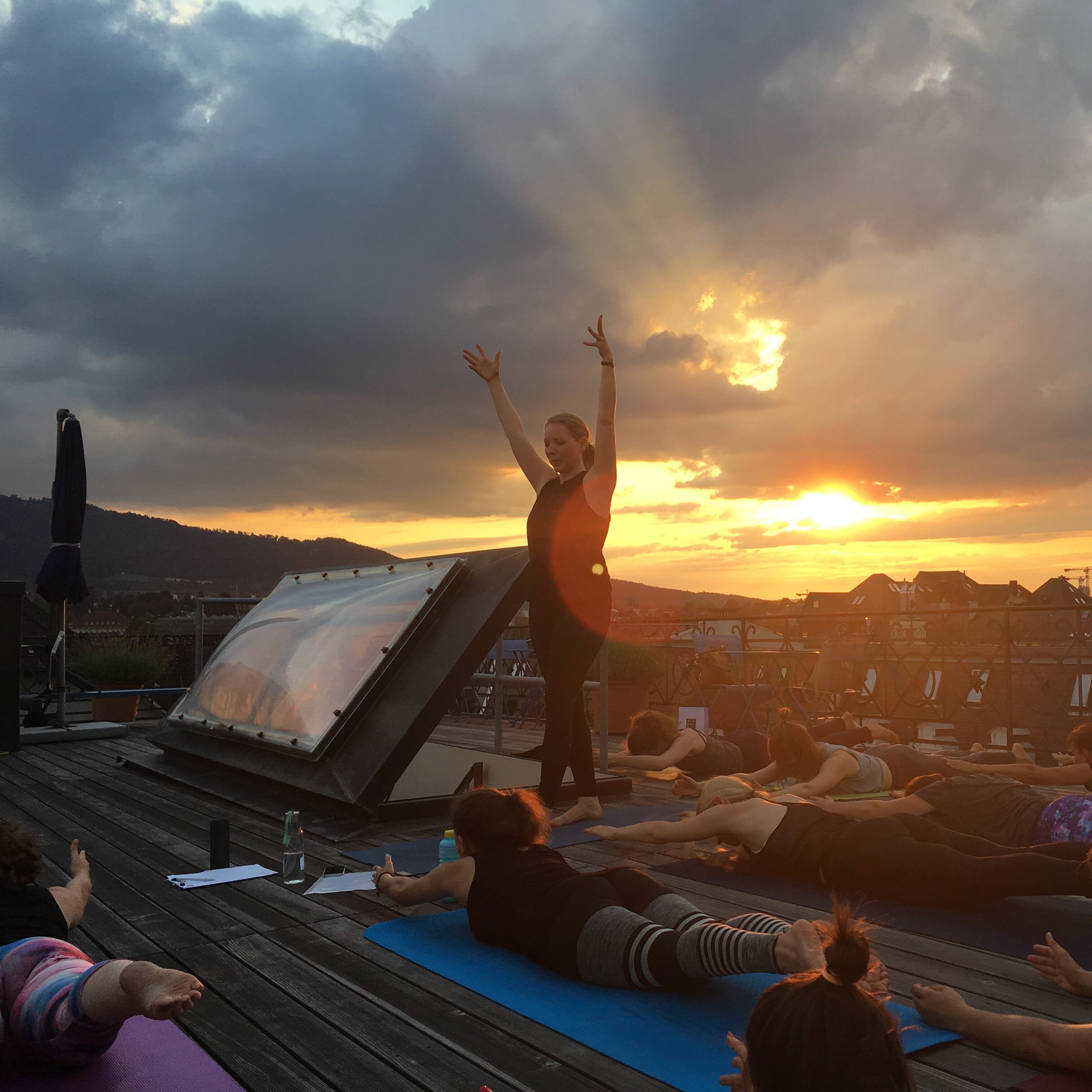
Then the pandemic hit. And I thought, in all this enormous mess, at least there’s one silver lining. Finally enough time for my Excel-Yoga. Deep dives into numbers, projects, strategy papers. Maybe some actual yoga too.
That lasted about two weeks.
Then I completely lost it. It felt like withdrawal. The guests, the ringing phone, the colleague popping her head in. All the things I’d dismissed as interruptions turned out to be the other half of the equation. Yin and yang. I need the quiet to think and the noise to feel alive. Take one away and the other stops working too.
It taught me something I should have known about myself. I don’t need just silence and I don’t need just noise. I need both, in the right dose.

Sinn & Gewinn isn’t just a hospitality group; it’s a social institution. For those who don’t know the DNA, how do you balance the “Sinn” (meaning/purpose) of providing vocational training for women facing challenging circumstances with the “Gewinn” (profit) of running a competitive business?
By refusing to romanticize either.
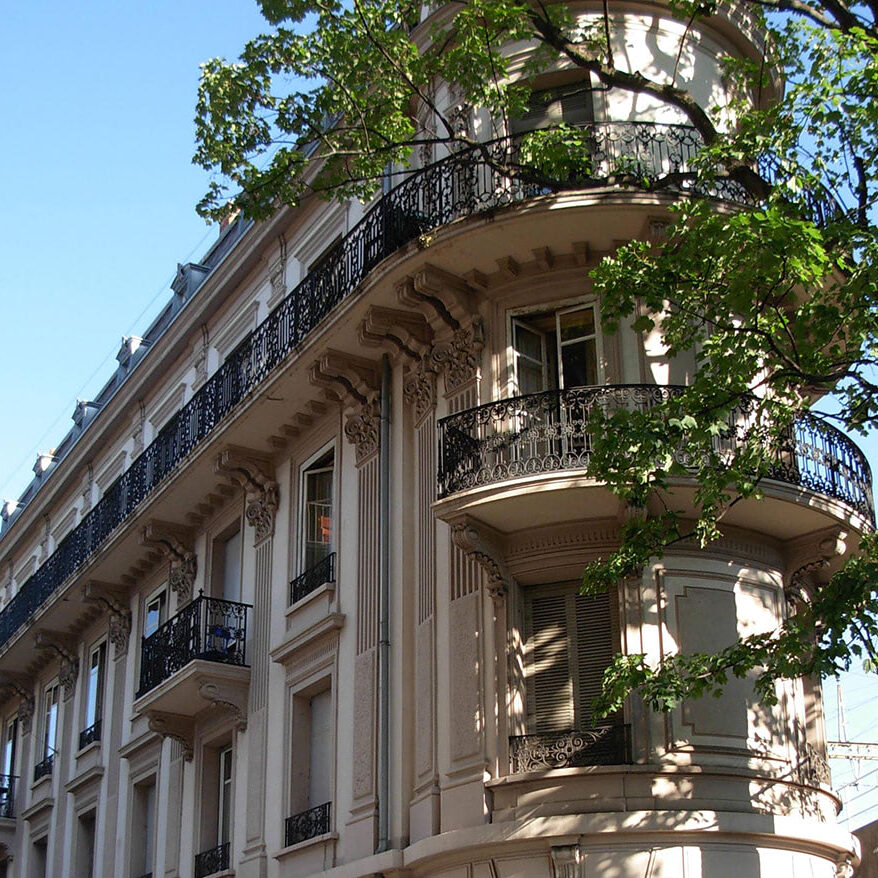
Our roots go back to 1886, when the Swiss section of the “Friends of Young Women” was founded, inspired by the British social reformer Josephine Butler. Our guesthouse in Zurich still carries her name. The successor foundation of that organization still owns the properties where our hotels operate today. 140 years later, we still offer the same thing: shelter, training, and a fair chance.
We are social entrepreneurs. Both words count. If you want to run a business that’s social, ecological, and fair but find money somehow suspect, you won’t last. If you run a profitable business and tack on a charity project for the annual report, you’re not fooling anyone.
In practice this means: we work with women who need a fresh start. Some come to us through partner organizations. Women exiting prostitution, undocumented refugees legalizing their status, young women on disability measures. We offer vocational training, work, and temporary housing. At the same time, the hotels need to run. The budgets need to add up, the architecture needs to convince, the guests need to come back. Both at the same time, every day.
Nothing ever stays the same.
You’ve been with the organization for over a decade. In an industry known for high turnover, what has kept the mission fresh for you, and how has the growth of the portfolio changed your original vision?
The job I took over more than ten years ago is not the job I do today. We grew from two individually managed small hotels to a group of four, soon five properties in three cities. That growth needed scalable procedures. Without losing the focus on the original mission and the individual character we want to foster in every hotel and guesthouse.
What keeps it fresh? Nothing ever stays the same. Every new property comes with a different neighbourhood, a different team, a different starting point for strategy. That’s not tiring. It’s interesting and stimulating. I haven’t been bored a single day in this job.

When it became clear that the Lausanne property was heading into a major renovation and the Basel project came up, you approached the board to propose a co-leadership model. Can you tell us more about how that conversation went and how it works in practice?
With these two major projects on the table, it was clear the workload was about to change. I went to the board and said: we need to rethink how we lead this organization. Our portfolio is growing, important projects need time and energy. It was time to not only renovate our hotels and expand our portfolio, but to build a new org chart too. Because what works for two hotels doesn’t automatically work for five.
Since early 2025 we operate as a co-directorship. I handed the operations of our three Zurich properties to my long-standing colleague and took on the commercial leadership across the group. I still get my daily dose of lobby energy. Just with more time for Excel-Yoga.
The board conversation was honest. There were questions about clarity and accountability. Fair enough. In practice, it works because we trust each other and because the roles are clearly defined. It was important to us not to split one job in half and somehow run everything across two desks. We wanted a clear division of responsibilities. Two people doing two different jobs that point in the same direction.
For people in hospitality who want to move toward a more impact-driven model, what is the first step you’d advise them to take?
Impact doesn’t have to start with a rebranding campaign. It starts with structural decisions that can be small at first. Hiring policies. Supplier choices. Training models. Menu planning. Energy sourcing. Waste management. You don’t need to transform overnight into a social enterprise. But you can start by asking: if hospitality means care and benefit for everyone involved, who actually benefits from us? And how can we widen that circle in a way that matters?