
30
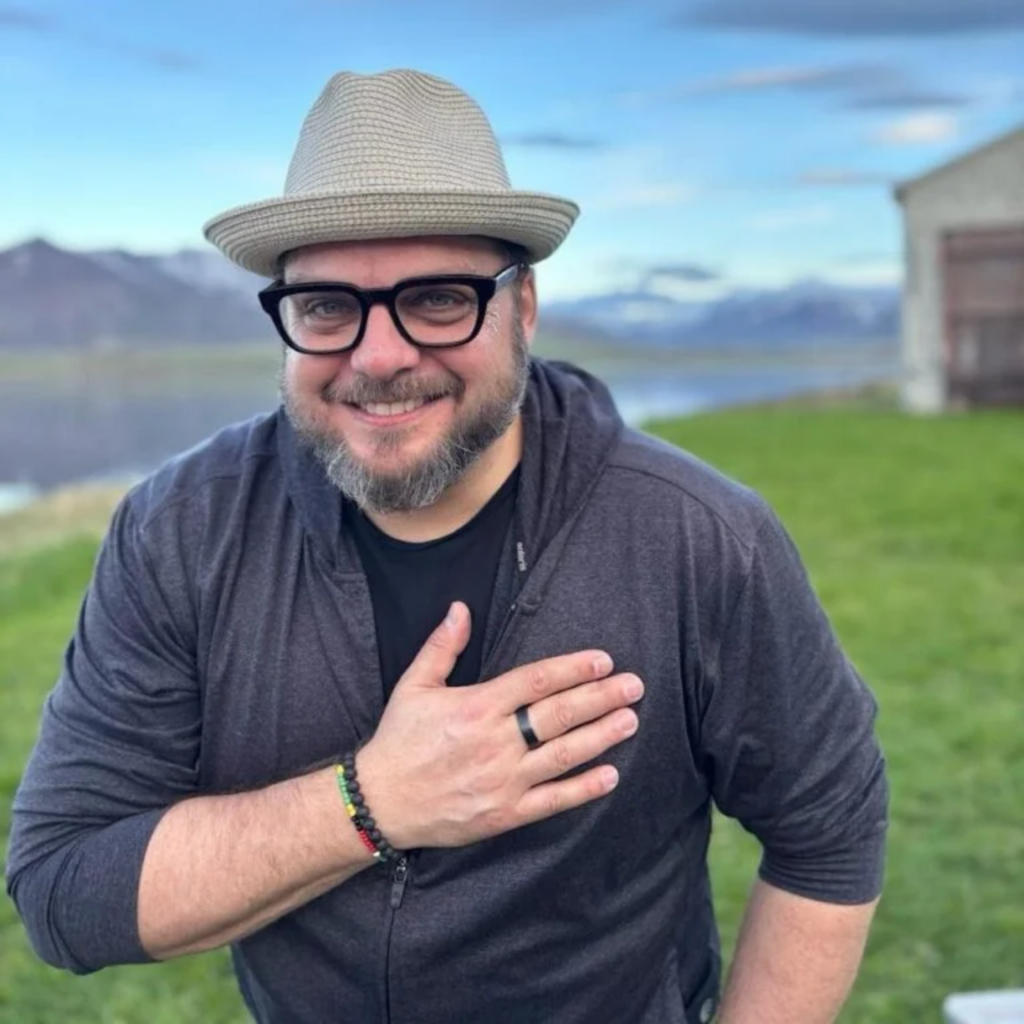
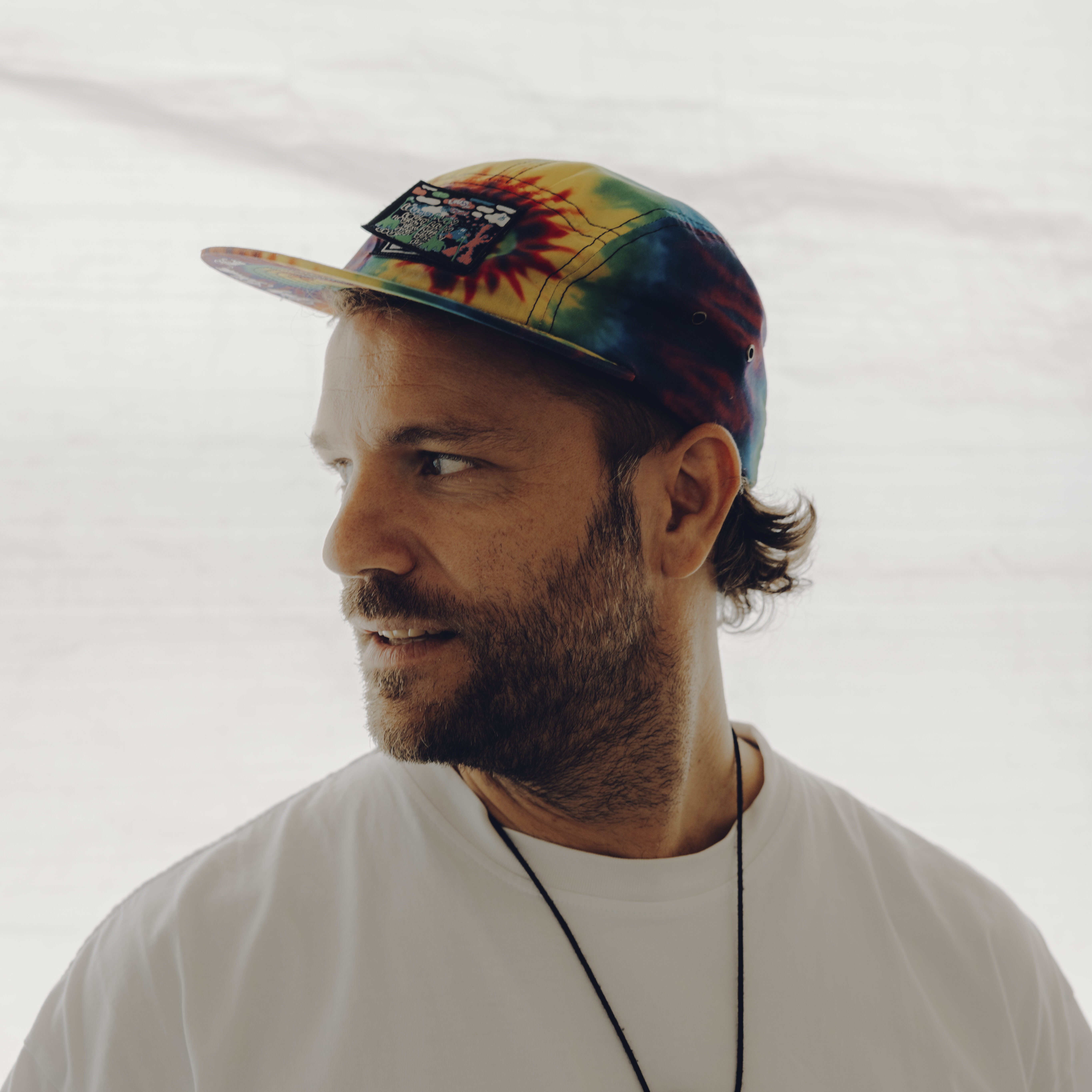
Benjamin (BENJI) Adrion
Initiator Viva Con Agua & Villa Viva
How do we build something that sustains itself?
Benji, when you walk into a room, do you introduce yourself as an ex-footballer, a water activist, or an entrepreneur?
I smile first. Titles don’t really matter to me. For a long time, people introduced me as the former professional footballer from FC St. Pauli who initiated Viva con Agua. And that’s fine. Those chapters shaped me.
But today, I see myself less as a title and more as a bridge.
Football taught me how to read a field. Not just tactically, but emotionally. You feel when the game is shifting. You sense momentum. You know when to press and when to hold back. You know you are only as good as a team and collectively you grow out of your former limits. Viva con Agua became the movement. It showed me how powerful collective energy can be when people feel invited rather than instructed. But also, it is a testimony of what can be created when like-minded people team up to create something bigger than themselves.
And Villa Viva the social guesthouse of the Viva con Agua family is where all those learnings crystallise. It’s where entrepreneurship, activism, culture, and community meet in a physical space.
So when I enter a room today, I’m probably introducing myself as someone who builds impact ecosystems and loves when a field creates synergies. The rest is biography.

What was the real “aha” moment that made you hang up your boots and launch Viva con Agua? And how did you end up in hospitality?
The Cuba trip is often described as the “aha” moment, and yes, it was pivotal. We went there with St. Pauli. It was supposed to be a football exchange. But what I experienced went beyond sport. We visited neighbourhoods where access to clean drinking water was not a given. And at the same time, I felt so much joy, music, culture, connection.
That contrast did something to me. Back in Germany, I couldn’t shake the feeling that we could mobilise our networks differently. Football clubs, artists, fans, festivals. What if we connected those spaces with a clear social mission?
So, we started collecting donations for water projects. But very quickly, it became more than fundraising. It became cultural activism. People weren’t just giving money. They were participating. Leaving professional football wasn’t a dramatic exit. It was more like an internal shift. I felt that my energy belonged somewhere else.
We had built a strong community. We had brand awareness. We had cultural credibility. But we were still dependent on donations and product partnerships. That’s when we started asking harder questions: How do we create long-term economic infrastructure for impact? How do we build something that sustains itself?
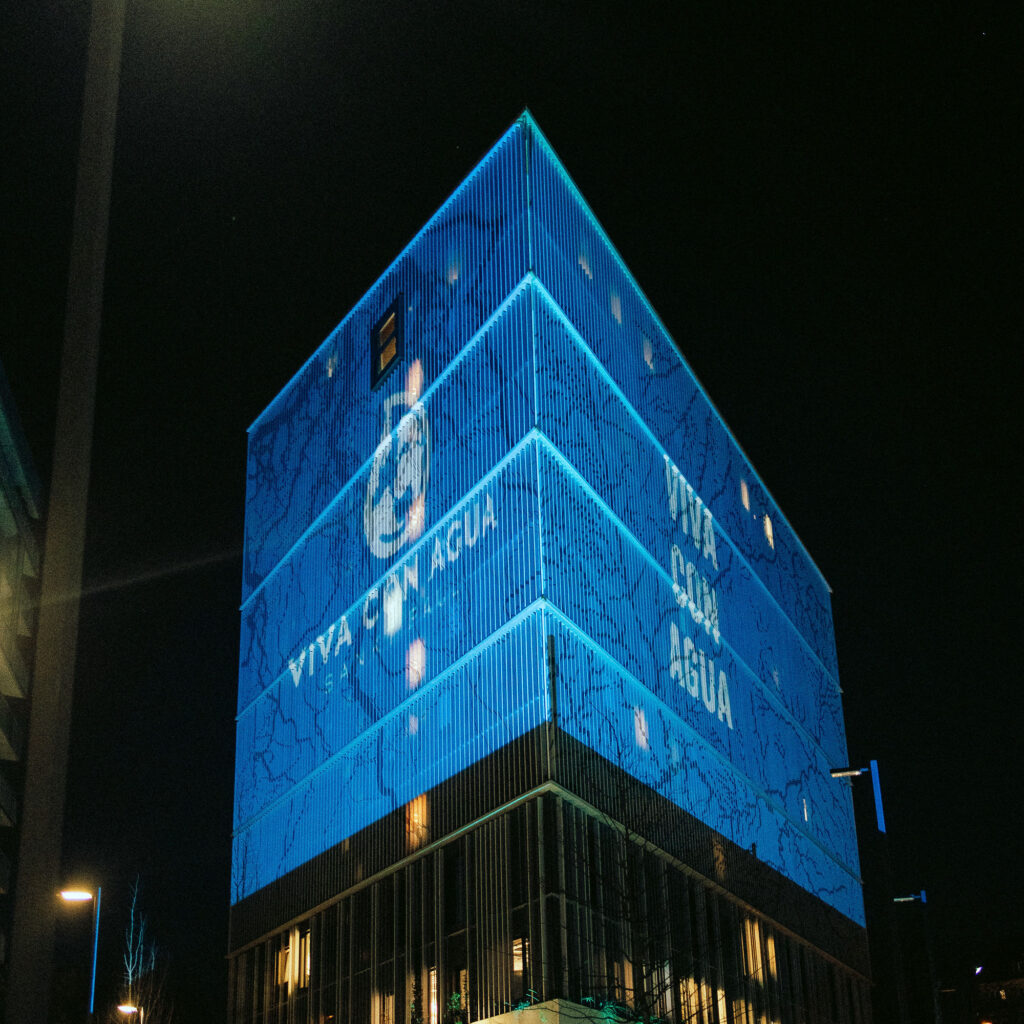
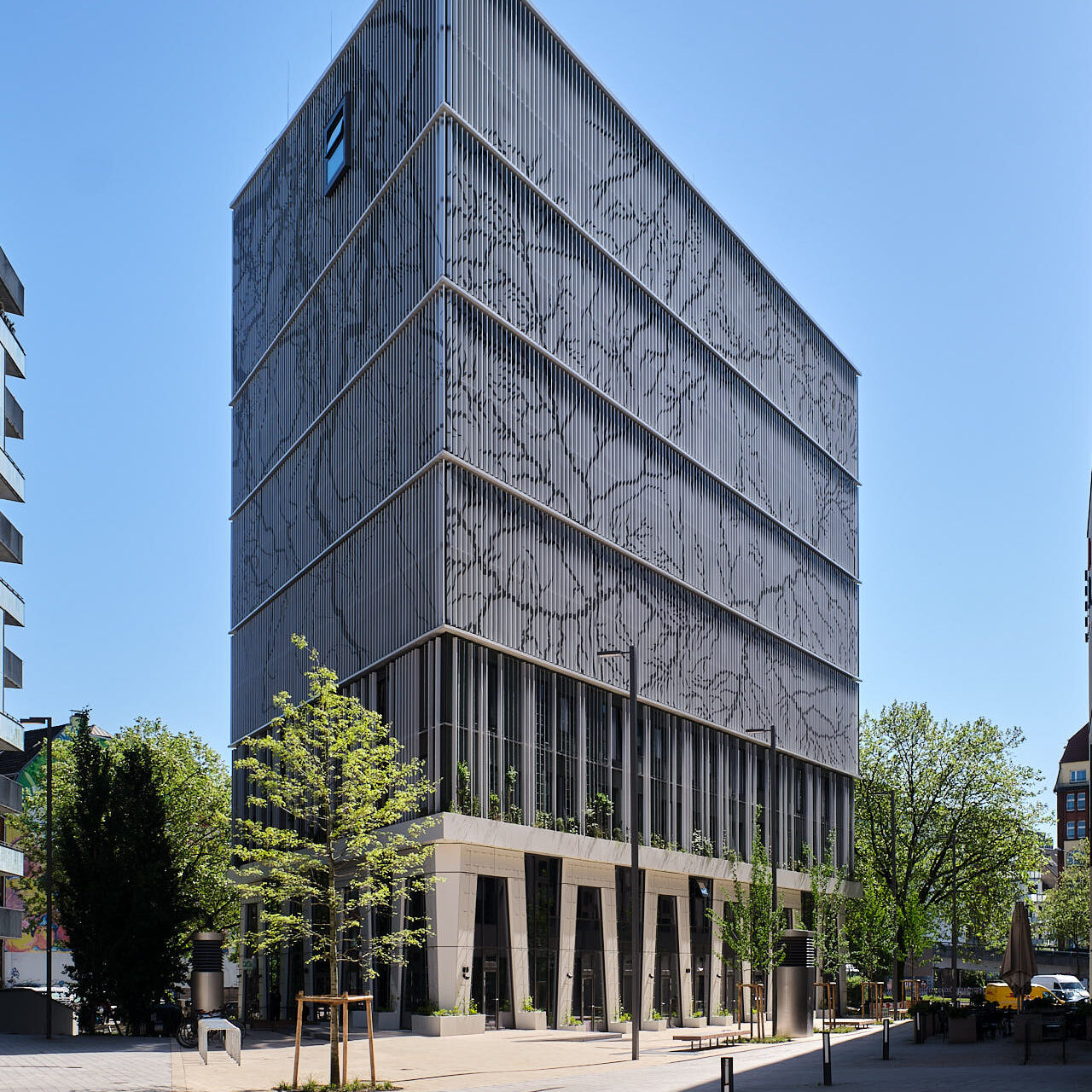
The building itself tells a story.
The 3 Villa Viva’s are more than just a place to sleep. What’s the moment you realized hospitality could be a platform for activism?
Over the years with Viva con Agua, I noticed something: impact accelerates when people meet physically. Online campaigns are powerful. But transformation happens when people sit at the same table. When they share food. When they dance. When they argue. When they listen.
Temporary events showed us this again and again. Festivals. Art shows. Charity dinners. Those moments created depth.
At some point, we asked: Why are we only creating temporary spaces? Why not build a permanent home for this energy?
We never had planned to build a hotel. It was rather a coincidence that the right people met at the right time, we just followed the signs and opportunities. But after all, hotels are naturally social nodes, and we were also able to include office and meeting spaces. People arrive from different countries, industries, and cultures. They are slightly out of their routine. More open.
That’s when the idea clicked:
Hospitality doesn’t have to be neutral.
It can carry values. One can rethink the way they work.
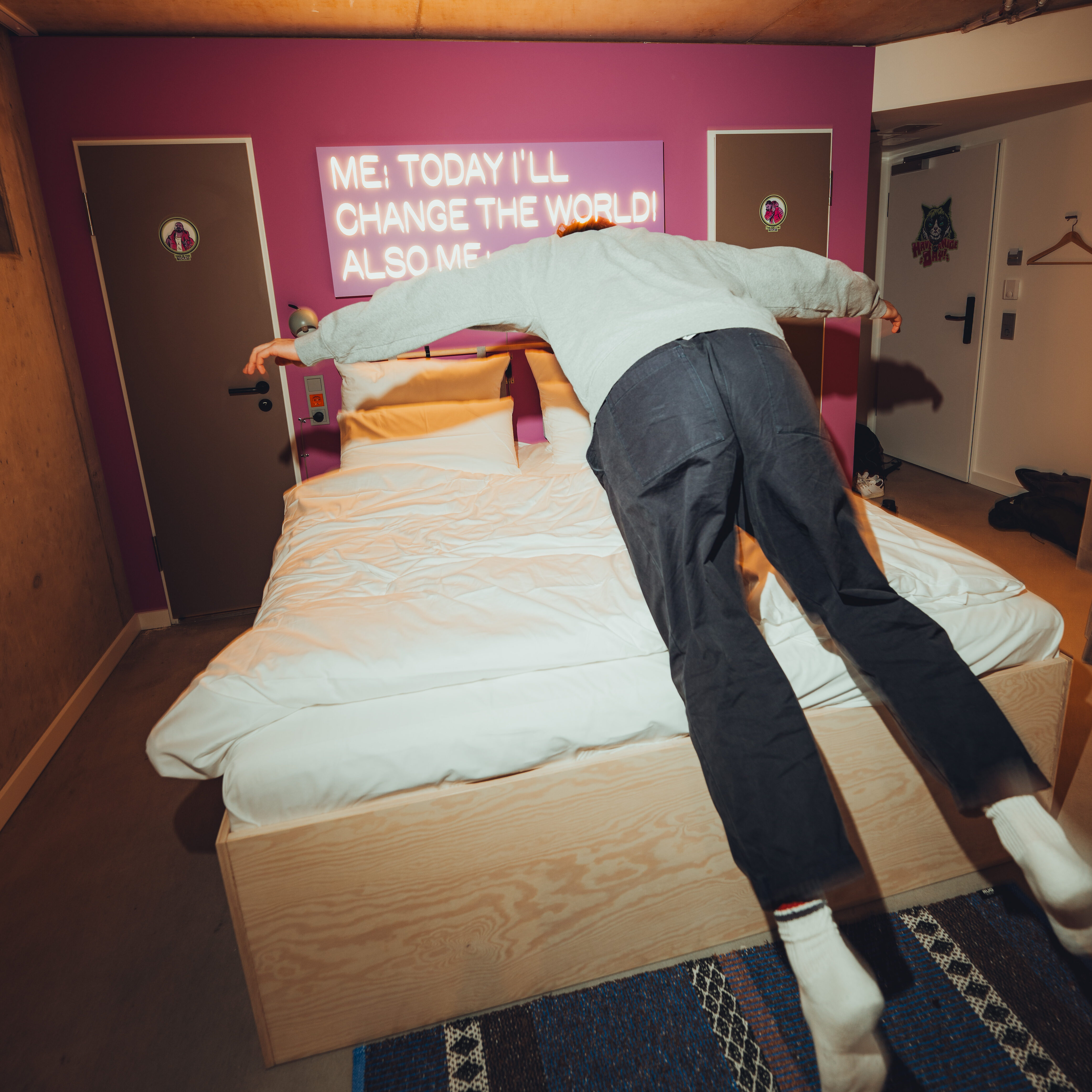
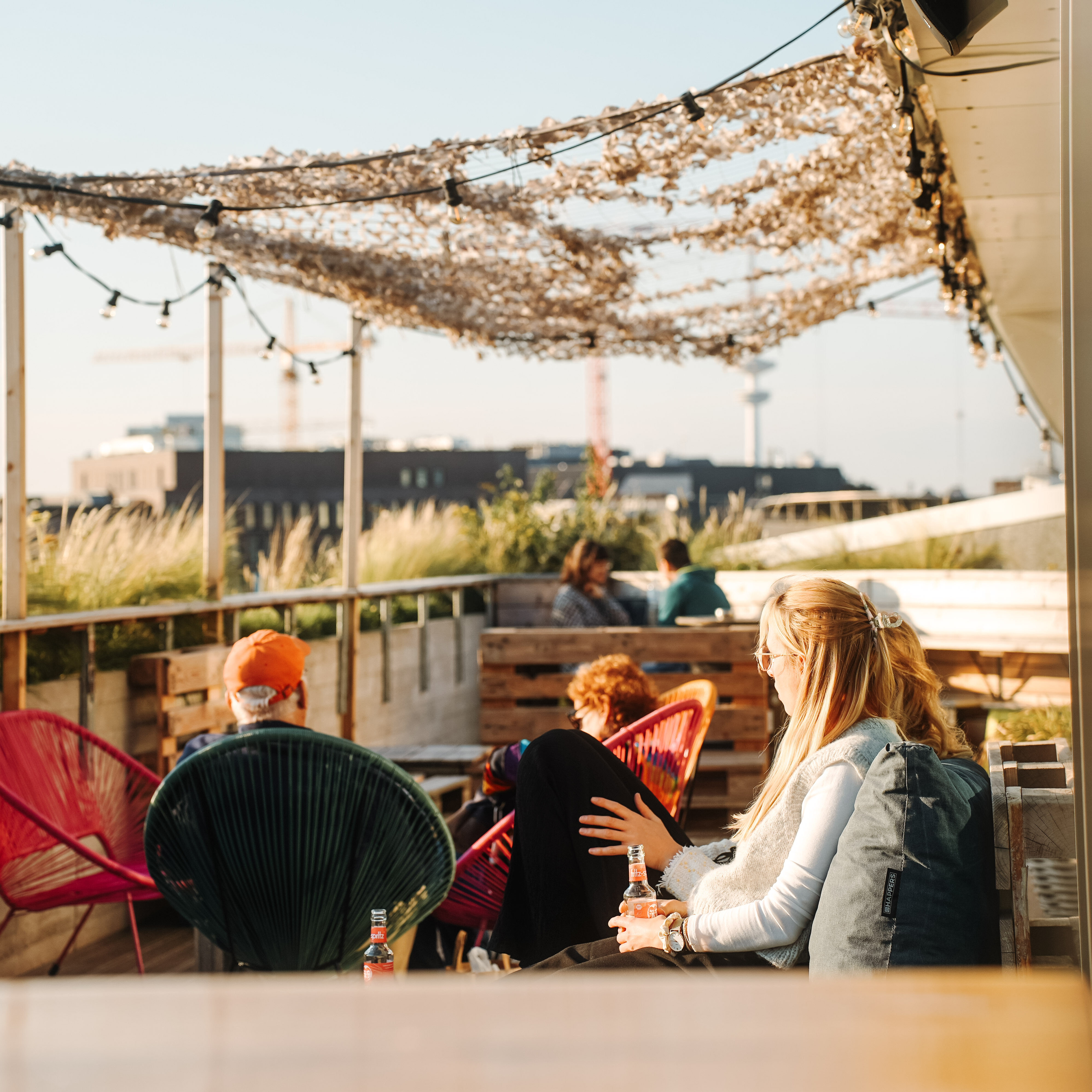
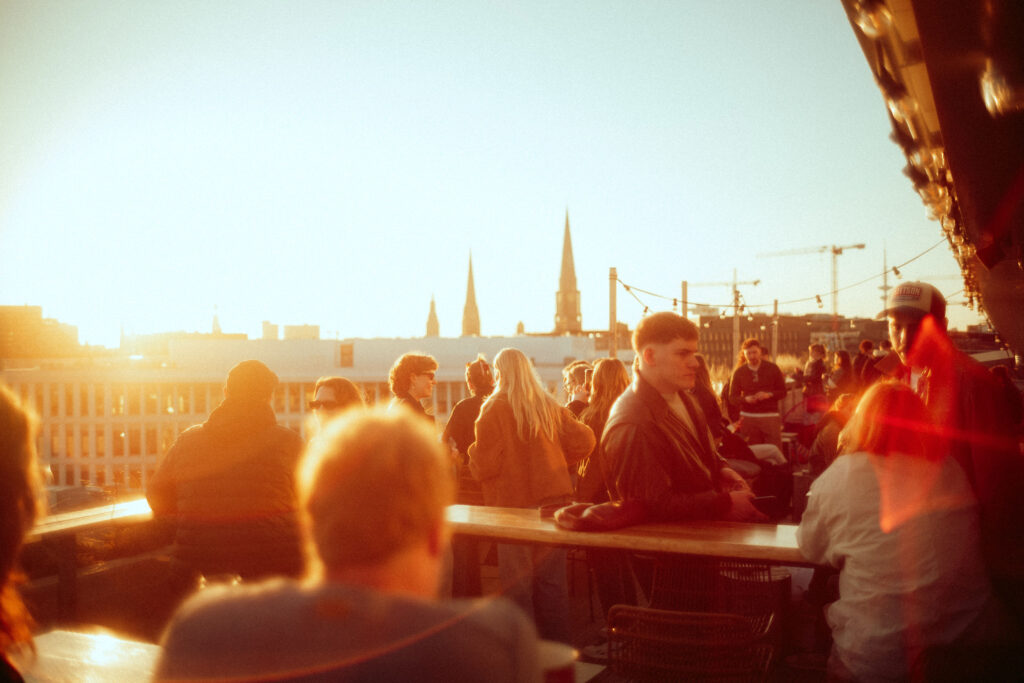
At Villa Viva, we can integrate social products such as Goldeimer, the social toilet paper of the Viva con Agua ecosystem, and your overnight stay supports clean water projects. But beyond that, the building itself tells a story. The art speaks. The events invite dialogue. The rooftop connects strangers. It’s not only sleepovers, it’s corporate workshops, it’s an event platform, it’s the home of all employees of Viva con Agua, so it is really a platform to activate our community – people who have been with us for many years and for people who get to know about us just now.
It’s activism on purpose through design, economics, experience and especially bringing people together to relax and get connected to their inherent creativity and joy.
Turning a public auction win into Villa Viva Hamburg sounds wild. What was the hardest part of actually making it happen, and what nearly broke you along the way?
Winning the public auction for the Hamburg property was surreal. It felt like a dream scenario: a social initiative winning a prime location.
But the real work began after the applause. We started the project in 2017 when there was no COVID, no war in Ukraine, and a recession in Germany.
The financing was complex. We were building a hybrid between a hotel and an impact platform. Traditional investors wanted predictable returns. Traditional banks wanted clean categories. We were neither fully commercial nor purely nonprofit.
Then, construction costs rose drastically during COVID and the global conflicts. Timelines stretched. Regulations demanded patience. And with every delay, the pressure increased.
The hardest part wasn’t a single crisis. It was the duration of uncertainty. Months turning into years. Managing expectations. Holding the team together. Staying optimistic without becoming naive.
There were moments when I doubted myself. Where I asked: Are we overreaching?
What kept us going was alignment. The team believed. The investors believed. The community believed.
Villa Viva Hamburg stands today not because everything went smoothly. It stands because enough people decided that the idea was worth the friction.
If the numbers work but the soul disappears, we failed.
You talk about “water for all,” but running hotels comes with serious business pressure. How do you keep the social mission front and centre when the numbers need to add up?
This is exactly where a social business becomes powerful.
Hospitality is demanding. Margins can be tight. Energy prices fluctuate. Staffing requires care and leadership. Guest expectations are high. We take that seriously. Villa Viva is run with full professionalism.
But the difference lies in the shareholder logic.
We are not driven by profit maximisation.
We are driven by impact maximisation.
That shifts everything.
After the initial take-off phase, we will be able to support Viva con Agua’s projects more effectively, and we can find many new supporters for our idea. The hotel exists to strengthen the ecosystem, not to extract from it. So, the key question isn’t “How much can we distribute to investors?” but “How much positive impact can we generate and sustain?” We do not look at the short term; we want to create change over the long term. Short-term money into water projects is one goal, but also creating long-term value.
The building itself reflects that philosophy.
We integrated water-based passive cooling into the architecture, along with many other innovative solutions across all planning dimensions. We work with sustainable laundry solutions. We chose sustainable products for the interior.
We are connected with our neighbourhood.
We consciously choose partners who align with our values.
Financial discipline still matters deeply. Without economic stability, there is no long-term social effect.
Villa Viva is meant to be a living place where Viva con Agua becomes feelable. A space where the ecosystem meets, where culture, entrepreneurship, and activism intersect.
If the numbers work but the soul disappears, we failed. If the mission is strong but the business collapses, we also failed.
The real art is alignment.
Building something economically solid that strengthens the community and funds clean water access. That’s not romantic activism. That’s responsible impact entrepreneurship.
You’ve launched projects in Hamburg, Cape Town, and Berlin. What’s your biggest learning and what can we expect from Villa Viva Berlin?
One of the biggest learnings is that structure matters as much as spirit.
In Hamburg, we own the physical house. That’s something very special for us. It gives us independence. Long-term stability. Full creative control. We can shape the place without landlord dynamics in the background.
But ownership also means responsibility on a different scale. Higher financing volume. Higher risk exposure. More capital is tied into the building. It’s powerful, but it’s heavy.
Berlin is structured differently.
In Berlin, the financing was taken over by the Shareholdergang, a group of social investors who are long-time supporters of Viva con Agua. That changes the setup significantly.
It reduces direct capital pressure on the operating side and allows us to focus more on building the ecosystem inside the house. It’s still a serious business, but the capital structure is lighter from our side.
That’s a big learning for me: Impact entrepreneurship is not just about vision. It’s about smart structures. We will also not be responsible for running the restaurant; the Holzmarkt will do that part. They are experts in the field and in the location, which will help us reduce risk, and we can focus on hospitality.
Another learning is humility. You cannot copy energy from one city to another.
Hamburg feels rooted, maritime, and slightly structured. Cape Town has its own emotional depth, a very international guest mix, its own complexities, and plenty of sunshine. Berlin is different again. Experimental. Political. Creative. Sometimes chaotic in a beautiful way.
Villa Viva Berlin will reflect that.
It will probably feel edgier. More collaborative with the art and culture scene, especially as the new guesthouse will be right next to our friends from HOLZMARKT. More experimental in programming. More open to temporary formats and co-creation.
Viva con Agua has a fired-up community that’s stuck with you for two decades. What’s your secret sauce for keeping people engaged, inspired, and joining the cause?
If there is a secret, it’s this: participation over persuasion. We never tried to convince people through moral pressure; we invited them into something joyful.
Collecting cups at music festivals. Art collaborations. Sports tournaments. Local chapters where volunteers could create their own formats.
People stayed because they felt ownership. They weren’t donors. They were co-creators. We also embraced imperfection. Not everything worked. But experimentation kept the energy alive. And we celebrated. Successes, small milestones, collective wins. Celebration builds emotional memory. Emotional memory builds long-term commitment.
The community is not an add-on.
This is Viva con Agua.
For hospitality pros who want to build places that matter, what would you tell them to watch out for?
I would probably start with this: don’t fall in love with the idea of purpose. Fall in love with the responsibility of it.
It’s relatively easy to say, “We’re a hotel with a cause.” It’s much harder to run that hotel on a rainy Tuesday in November when occupancy is lower than expected, costs are rising, and the team is tired. That’s the moment where you see whether purpose is decoration or foundation.
At Villa Viva, we learned that meaning must be built into the structure. Into the ownership model, the financing logic, the supplier network, and how the building is designed and the space is programmed. If it only lives in branding, it won’t survive operational pressure.
Another thing is this romantic idea of “community.” Community doesn’t just appear because you put it on your website. It needs spatial intention, shared tables where people naturally sit together, events that invite participation, not just consumption. It needs a team that understands hosting as creating atmosphere, not just executing processes.
Community is something you design for and then carefully nurture.
You also must be comfortable with tension. Combining impact and business means you are constantly balancing different logics. Financial discipline is real. Investor and Bank expectations are real. Community values are real. You can’t ignore any of them.
But that tension isn’t a problem to eliminate. We don’t see Villa Viva as a finished concept. It’s evolving. Each city challenges us differently. Each phase forces us to grow up a little more as entrepreneurs.
It’s about what happens between people in that space.