
31
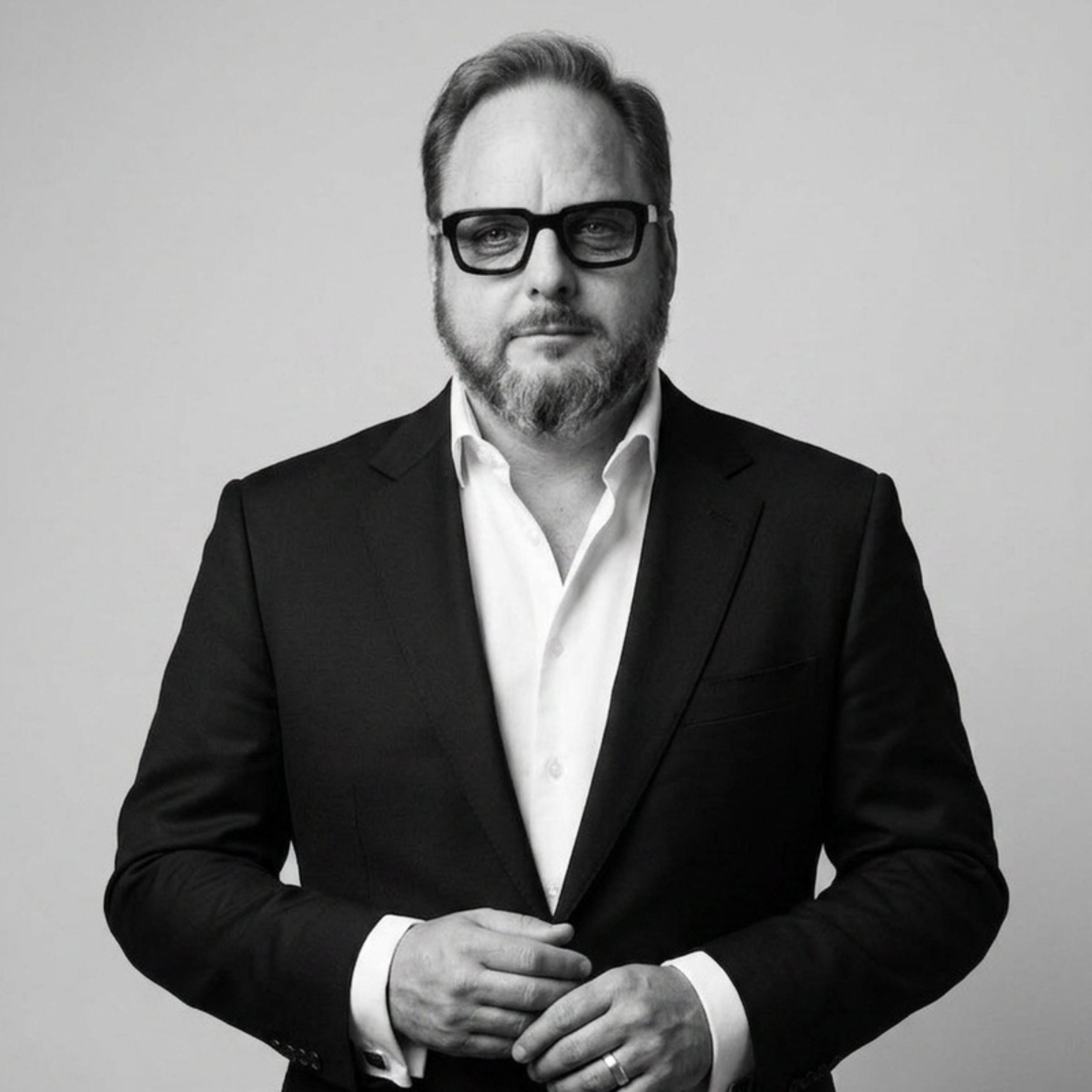
Kurt Berman
General Manager Eleven Deplar Farm
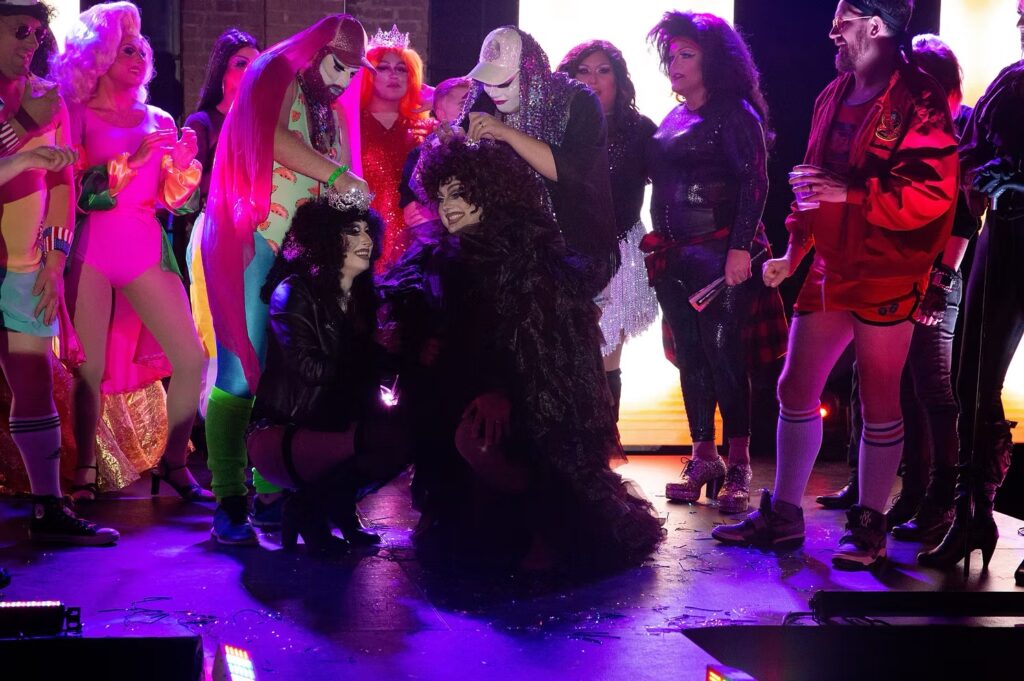
We went out there and gave it everything, and we won!
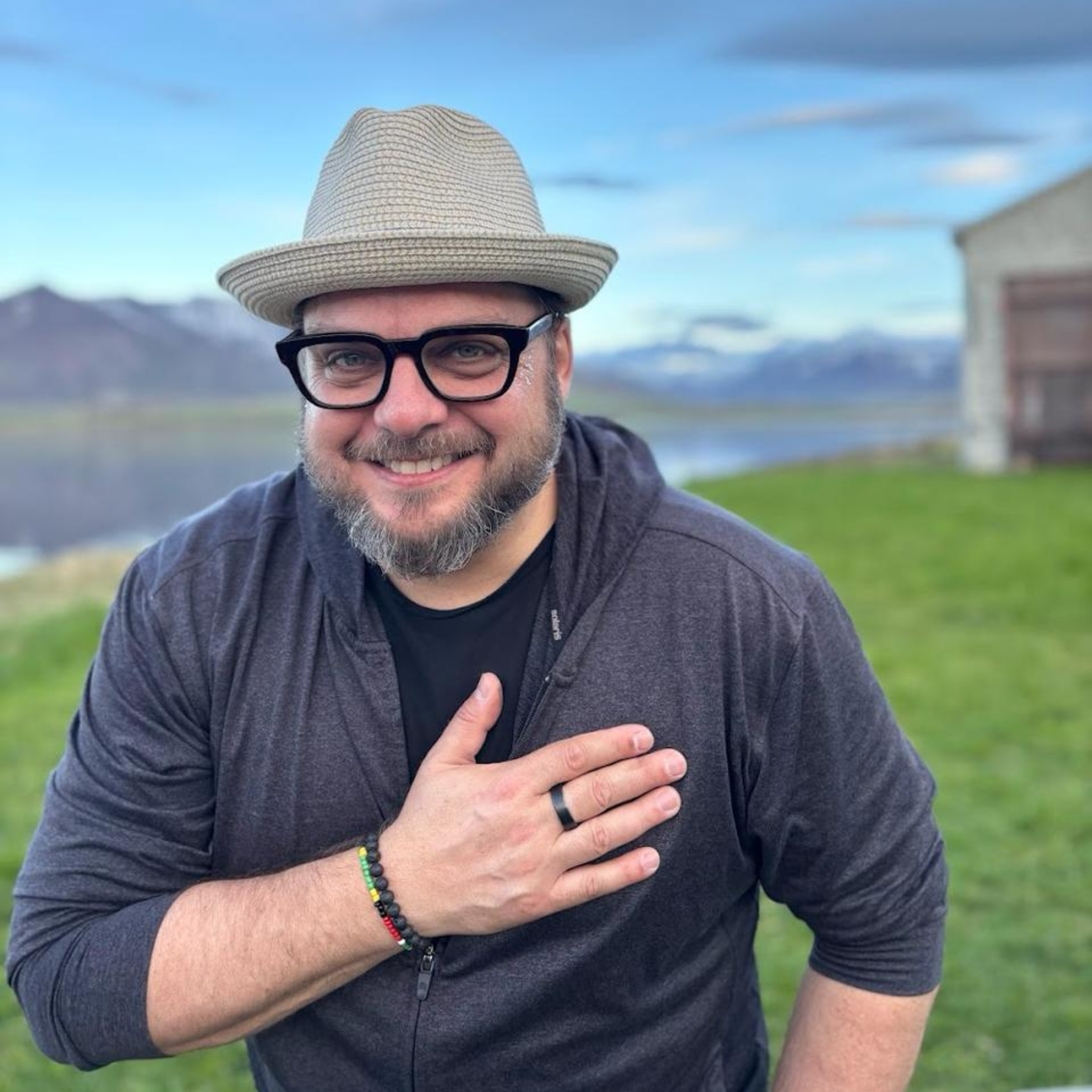
First of all: who is Kurt Berman, and what is the personal philosophy that drives you to take on hospitality’s most remote and demanding challenges?
In 2019, I was CEO of a prominent hospitality company in Bentonville, Arkansas, and my team dared me to compete in the Bentonville Follies. The premise is simple and slightly terrifying: take regular people from the community, train them to perform in drag, put them on stage in front of a live audience, and raise money for a worthwhile cause. I had never done drag. I do not sing, and I definitely do not dance, at least on stage, and yet before I had thought any of that through, I had already said yes (with a little nudge from my enthusiastic wife).
I was paired with Maddy Morphosis, my extraordinarily talented ‘Drag Mother’. We built a full 80s routine and Roxanne Paper Scissors was born! Wigs were tried, decisions were made, and there was at least one near miss with a razor. Members of my own team volunteered as backup dancers, which honestly tells you more about the culture we had built together than any performance review ever could.
We went out there and gave it everything, and we won! I am still the reigning Bentonville Follies champion and will find a way to mention that in every conversation I have for the rest of my life.
The part that actually matters, and that I am the most proud of, is that collectively we helped raise over $100,000 for Arkansas’s suicide prevention hotline.
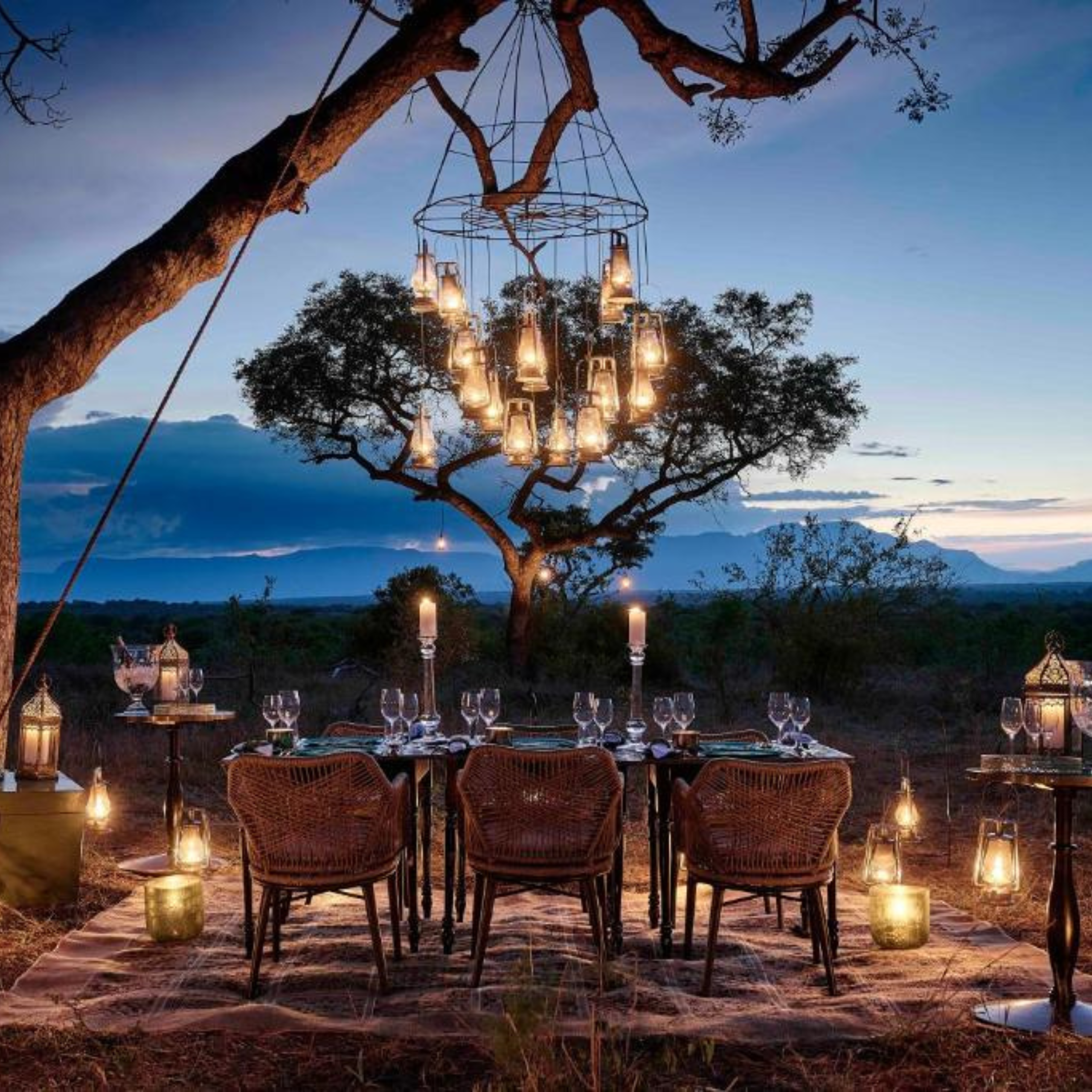
So that is probably who I am. Thirty years across Iceland, the Maldives, Seychelles, Thailand, the Caribbean, the US, always saying yes to the challenge, the remote location, the opportunity to act creatively. I genuinely believe that if you’re going to ask your team to take risks, to be vulnerable, to step into the unknown, you had better be willing to do it yourself. Say yes first and figure out the sequins later.
Your career began with food. What was the turning point that made you more passionate about the overall guest experience than the kitchen itself?
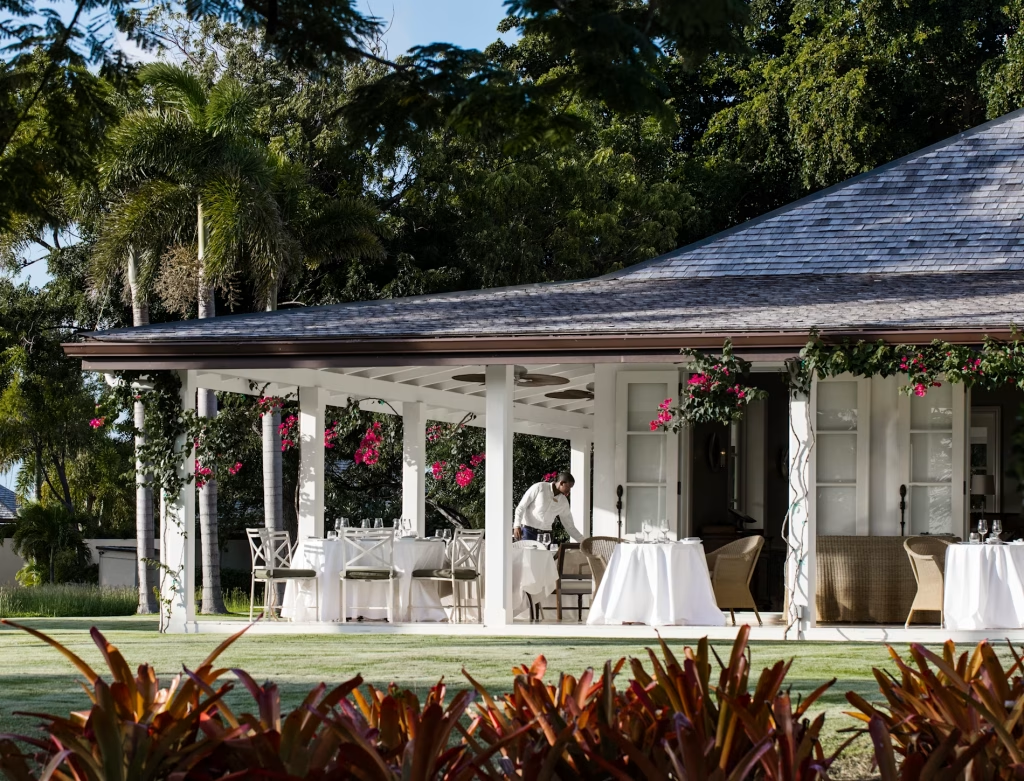
It is difficult to point to one specific moment, but I was working as the Executive Chef at a gorgeous little resort in the Turks and Caicos. The property was intimate, with a small team, and I quickly found myself taking part in all areas of the operation. I checked guests in at the front desk, arranged weddings on the beach, sorted out storage areas, worked through challenges in the spa, jumped in when housekeeping needed an extra pair of hands. Nobody asked me to do any of it. I just couldn’t help myself.
That was when I realized what was actually happening. It wasn’t that I had fallen out of love with food. It was that I had fallen in love with hospitality. The kitchen is an extraordinary place to learn discipline and standards, and I value every hard earned experience. But it is also a room with a door, and I kept wanting to know what was on the other side.
My next role was in the Seychelles, and I made the official step from Chef to Resort Manager. I have not looked back since.
With a pre-opening especially, you are essentially building a culture from scratch.
Your resume is filled with turnarounds and complex pre-openings, not quiet, stable operations. What is it about the challenge of fixing or building something from the ground up that speaks to you?
Honestly, I’m not sure I am wired for quiet and stable. There is something that happens in a turnaround or a pre-opening that you simply don’t get in a property that is already humming along. Everything is being figured out. The team is learning what you stand for, and the team culture is developing along with the property’s personality. You find out very quickly whether you have what it takes, and if you can trust your own gut instincts.
With a pre-opening especially, you are essentially building a culture from scratch. The combination of hundreds of decisions you make, from trivial to fundamental, is what determines whether the project will have a soul and a personality when the first guests walk through the door. These are incredibly high stakes and I find it completely energizing.
Turnarounds are a different kind of challenge. Usually there is something genuinely good buried underneath whatever has gone wrong, a location, a concept, a handful of people who never stopped caring, and the job is to find the nuggets, polish them up, and build back from there. There is real satisfaction in that. Leaving something stronger, better, and thriving is about as good as this job gets.
I also think, if I’m being honest, that I just get bored. Not with hospitality, never with that, but with the feeling that the interesting problems have already been solved. Give me the thing that needs to be figured out. That’s where I want to be.
You were managing a resort in Seychelles during the 2004 tsunami. How did navigating a crisis of that magnitude shape your approach to leadership, especially when it comes to team resilience and guest care?
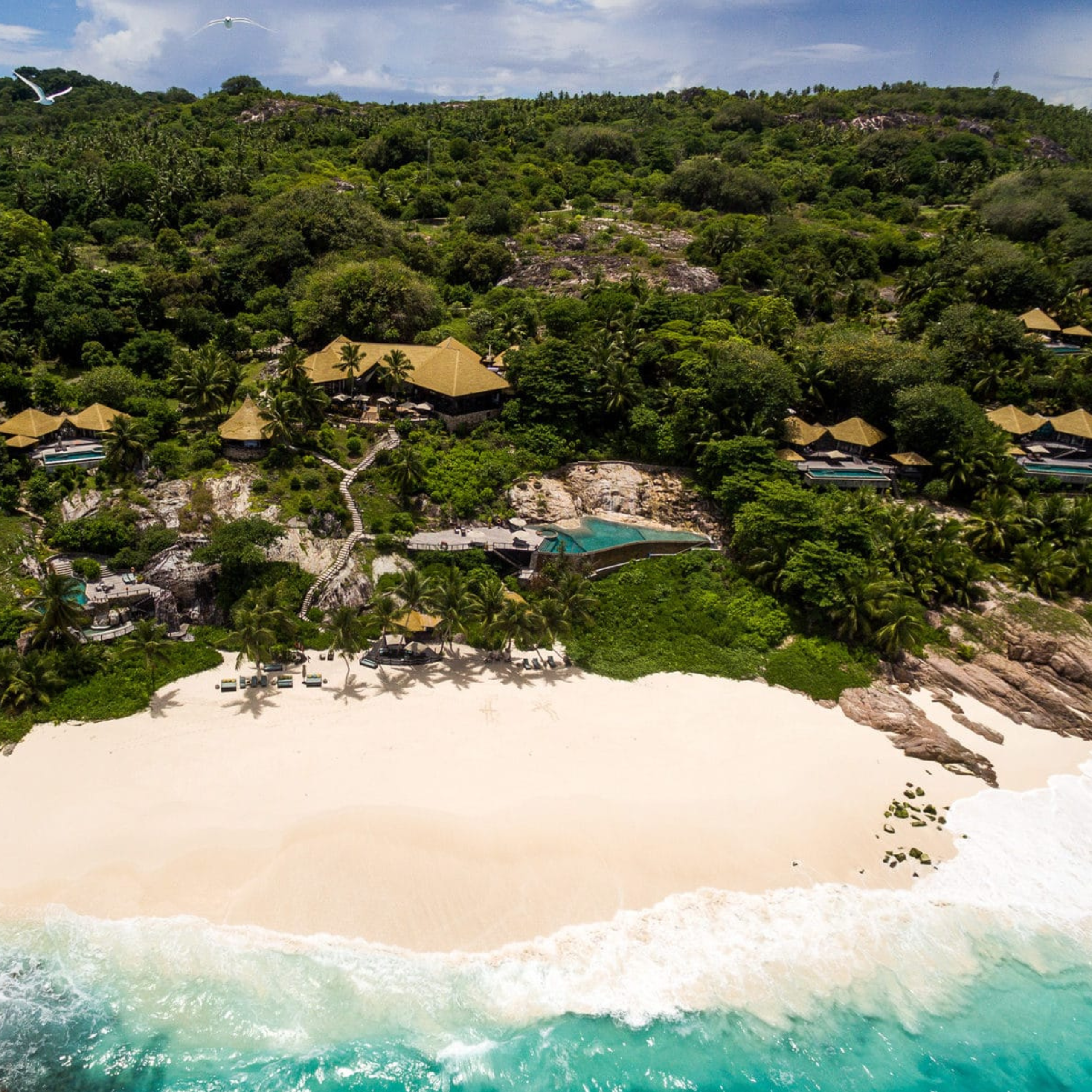
We were on Frégate Island Private, a tiny private island in the middle of the Indian Ocean when the tsunami hit. There was no warning. It was just us: the team, the guests, and whatever decisions we made in the next few hours.
I have a vivid memory of literally swimming down the landing strip to get to the back-of-house area where the team was working feverishly to sandbag the generators. If we lost those, we lost power to the entire island, and that was simply not an option! The tsunami had already destroyed our marina, beaches, and organic farms, and what I had not anticipated was that it would be followed by 48 hours of torrential rain. In some ways it was a blessing as the rainwater helped wash the saltwater off the island, but the natural drainage systems were completely overwhelmed and the island was flooded. I was soaked for 3 days straight.
What I remember most though is not the chaos. It was the team, and how they reacted. These were people who had every reason to be frightened, who had families on other islands and no way to reach them, who had never trained for anything like this, and they just stepped up. They took care of the guests before they took care of themselves, and I have never forgotten that. This experience has become the foundation of my leadership style. How you treat people on an ordinary Tuesday, whether they trust you, whether they feel seen. That is what shows up when everything goes sideways. Crisis reveals character, it does not create it.
It also taught me something about guests, and people in general. When in a real emergency, people do not want perfection and polish. They want honesty, calm, and someone with a level head to call the shots. We were lucky. Everyone on the island was safe, but I was a different leader than I had been before the waves started building.
We are like a swan gliding across a smooth lake, powered by what is happening beneath the surface.
Today at Eleven Deplar Farm, you manage a team of 75 for just 13 guest rooms. That ratio is incredible. Can you paint a picture for us of what it’s truly like to run an ultra-luxury adventure lodge in such a remote and demanding environment?
People hear 75 staff for 13 rooms and they think it sounds excessive until they understand what we actually do.
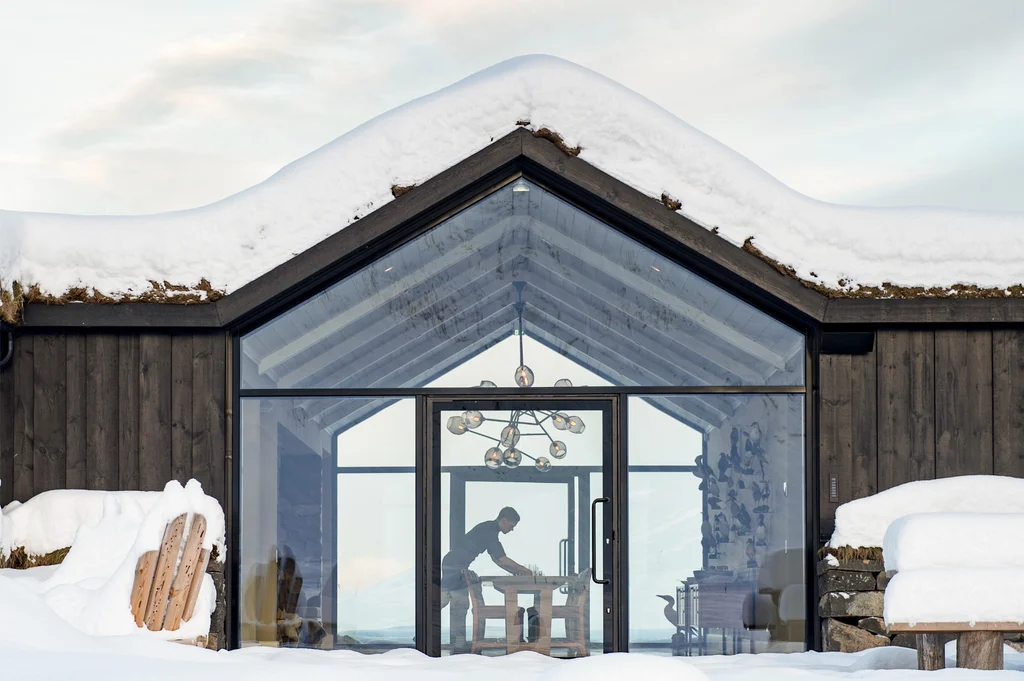
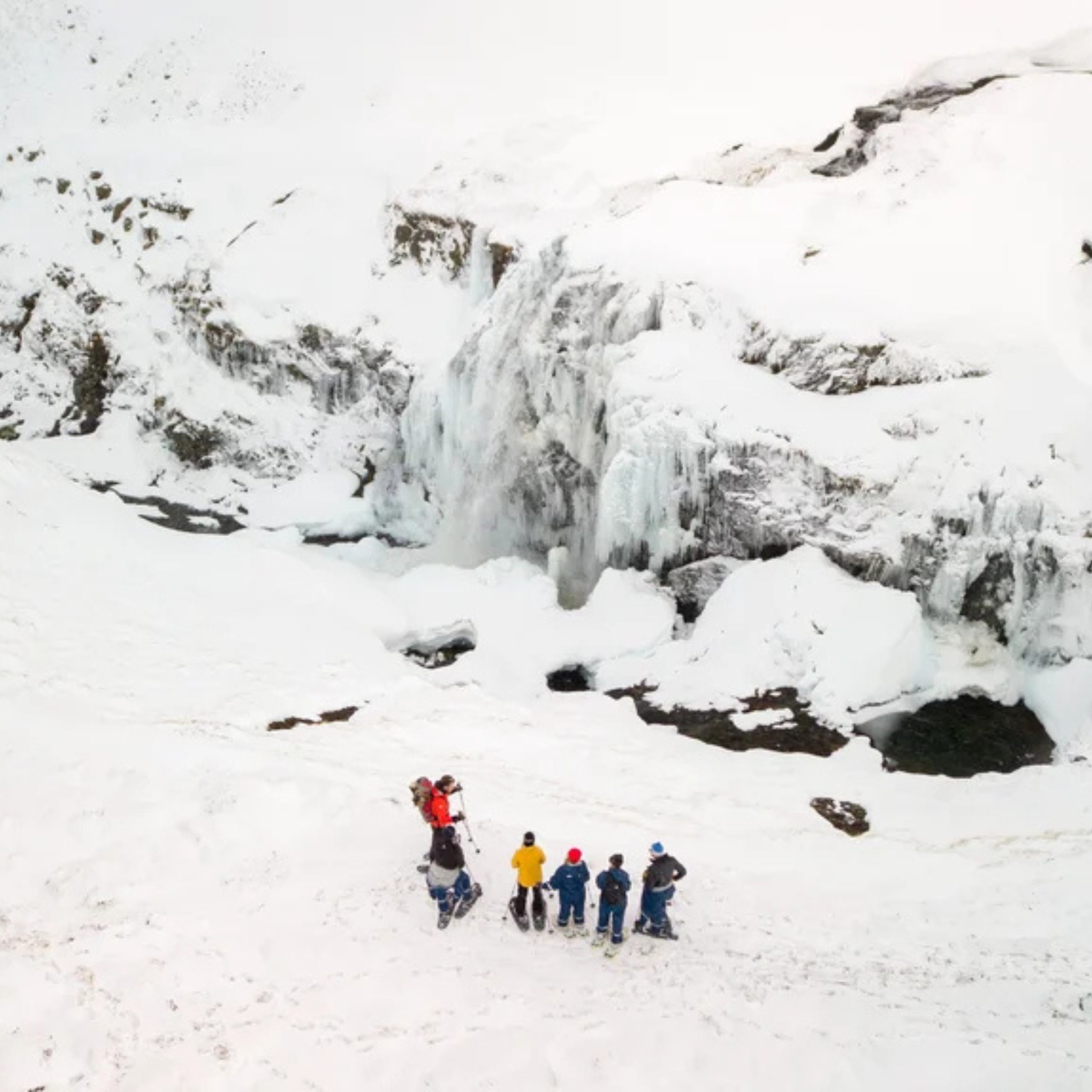
Eleven Deplar Farm sits on the Troll Peninsula in the north of Iceland. The nearest town of any size is almost 2 hours away. We operate year-round in one of the most extreme environments on the planet: weather that can change the entire plan in 20 minutes, midnight sun in summer, near total darkness in winter. Our guests come to heli-ski, surf arctic waves, ride Icelandic horses, go white water rafting, and be amongst the puffin at the top of a steep island. These are not passive experiences. Every activity requires expert guides with specialized equipment, and backed by a team that knows what they are doing.
What people do not see is the logistics underneath all of it. We are like a swan gliding across a smooth lake, powered by what is happening beneath the surface.
Our maintenance and vehicle mechanic teams keep everything running smoothly in conditions that are truly brutal on equipment and infrastructure. Our kitchen sources and prepares food on par with the best restaurants in Iceland. We have a wellness team, a guiding team, a housekeeping team, all of it happening simultaneously, all of it invisible to the guest, all of it completely dependent on people who are passionate, enthusiastic and committed.
That last part is the real challenge, and the real joy. Recruiting and retaining a team willing to live and work at the edge of the world is not the same as hiring in a city. The people who thrive out here are not here for the nightlife. They are here because the connection to nature is real and the community we have built is real. When you get that culture right, the guest experience takes care of itself.
I walked out of my farmhouse in the valley this morning and an Arctic fox was sitting there watching me. That does not get old.
For the next generation of leaders drawn to the wild, adventurous side of hospitality, what is the one hard truth they need to understand before they pack their bags for a job at the edge of the world?
I see it constantly. Someone falls in love with the idea of running a lodge in Iceland or a camp in the Serengeti or a resort on a private island. The landscape is extraordinary, the concept is exciting, the photos are incredible. All of that is real, but what the photos do not show is the 6am maintenance call in January when it is -15C and something critical has stopped working. They do not show the team member who is homesick and struggling and needs your help. They do not show the supplier who has not delivered, the weather that has grounded every helicopter and shuffled the entire guests’ itinerary, the owner call you have to take at the end of a 16 hour day.
Remote luxury hospitality is a genuine operational challenge that happens to take place somewhere beautiful.
The hard truth is that the romance of the location will carry you for a few weeks, maybe a month or two. Everything is new, everything is interesting, everything has that first-time charge to it. You are essentially an audience member at a rock concert wide-eyed, taking it all in, loving every minute of it.
And then the real work begins.
I call it the Green Room phase. This is where nerves fray, frustrations build, and the challenges start to feel bigger than the rewards. A lot of people don’t make it through this part. They pack their bags and head somewhere easier, and there is no shame in that, this work is not for everyone. But if you stay. If you push through with some resilience and a willingness to be uncomfortable a little longer, you walk out onto the stage, and suddenly everything shifts. You are not watching the experience anymore, you are central to it. The connections run deeper. The place starts to feel like yours. What felt foreign becomes your new normal, and your new normal turns out to be pretty extraordinary.
You also know that there is no cavalry coming, no support office twenty minutes away, no vendor you can call for same day delivery. You are it. Whatever the situation demands, you solve it with what you have, where you are, right now.
If that excites you more than it frightens you, then pack your bags. This world needs people like you and there is nothing quite like it. But go in clear-eyed, and grounded. The edge of the world is a remarkable place to build a career but is not a good place to find yourself unprepared.
And one more thing. Please forget the phrase “I’ll try.” Out here, trying does not cut it. You either make it happen or you don’t. My mantra is ‘let’s make it happen’. Not let’s see what’s possible, not let’s do our best, not let’s try. Let’s make it happen.
Final question: after 30 years in the business, what is the one thing about hospitality that you still love the most?
The moment.
There is a specific moment that happens that I have never been able to fully describe but I have never stopped chasing. It is the moment when a guest who arrives tired, or guarded, or carrying whatever weight they brought with them from their real life just lets go. You can see it happen. Something in their face changes, their shoulders relax, they stop checking their phone, they look up at the landscape or across the table at the person they came with and they are just completely, entirely present. That moment is why we do this. Everything else from the logistics to the staffing, the budgets, and the maintenance calls, all exist to create these moments.
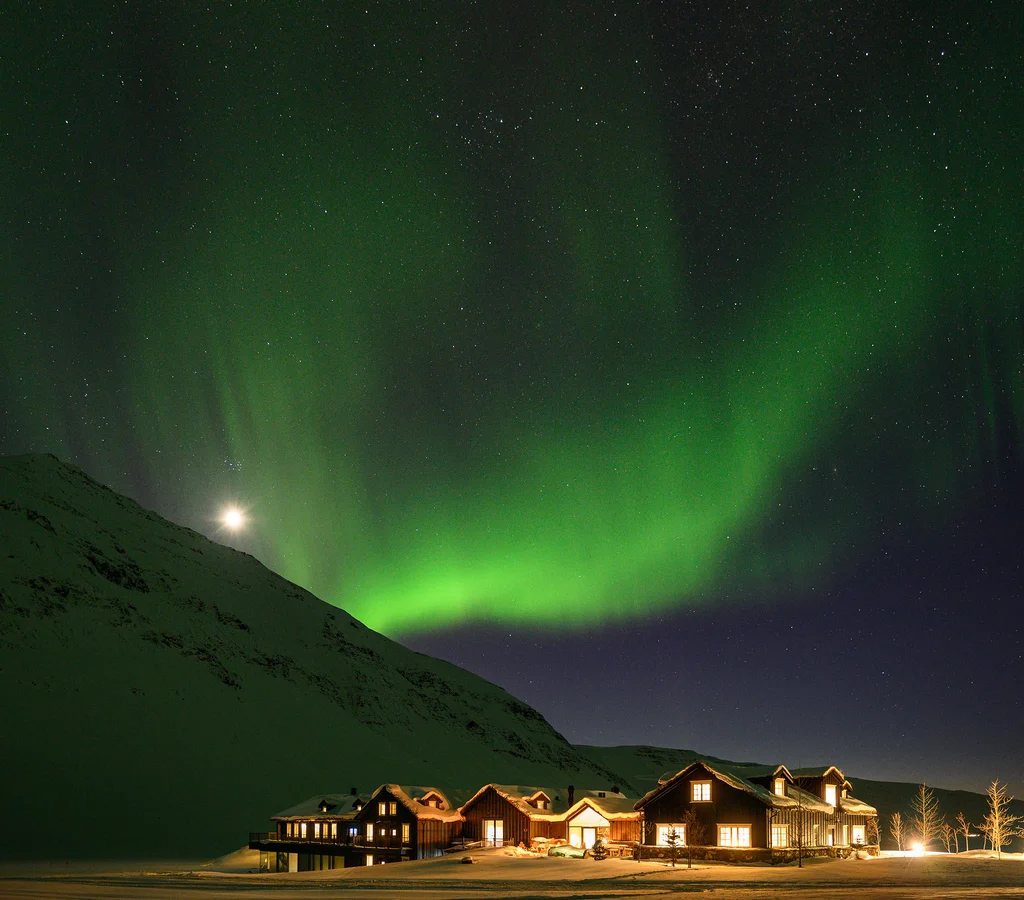
What I love most after 30 years is that it still surprises me. I have worked on private islands in the Indian Ocean, in the mountains of Utah, in the arctic wilderness of northern Iceland, and that moment recharges and reenergizes me when it happens. A guest coming in from their first heli-ski run, cheeks red, laughing in a way that tells you they just did something they genuinely didn’t think they could do. A couple sitting in silence watching the Northern Lights with no interest whatsoever in describing it for social media.
I got into this business because of food and stayed because of the people. Now 30 years later it is still the people: guests, team and partners, that make me want to show up every single day.
That, and the Arctic fox outside my door this morning.
Let’s make it happen.